
In the previous...‘Introducing T.SHIRAKASHI BOOTMAKER’Next,
This time,T. SHIRAKASHI BOOTMAKER のHere is an in-depth look at MTO (Made to Order).
The price is20Although it is a fair bit of money—over 10,000 yen—once you know the reason behind it, you might even find the price quite reasonable.
Right, so thisMTOWhat are the differences between these and other high-end shoes in the same price range that are made using the Goodyear welting method?
I would now like to invite you all into the very depths of the world of shoemaking.
I have a lot to say, so this will be a bit long, but I hope you’ll bear with me.
[Difference 1]Hand-lacing
Lasting (stretching), the process of shaping the upper leather to fit the last and securing it with nails one by one.
We hang the leather up carefully, keeping an eye on its condition to ensure the tension is just right—neither too tight nor too loose.
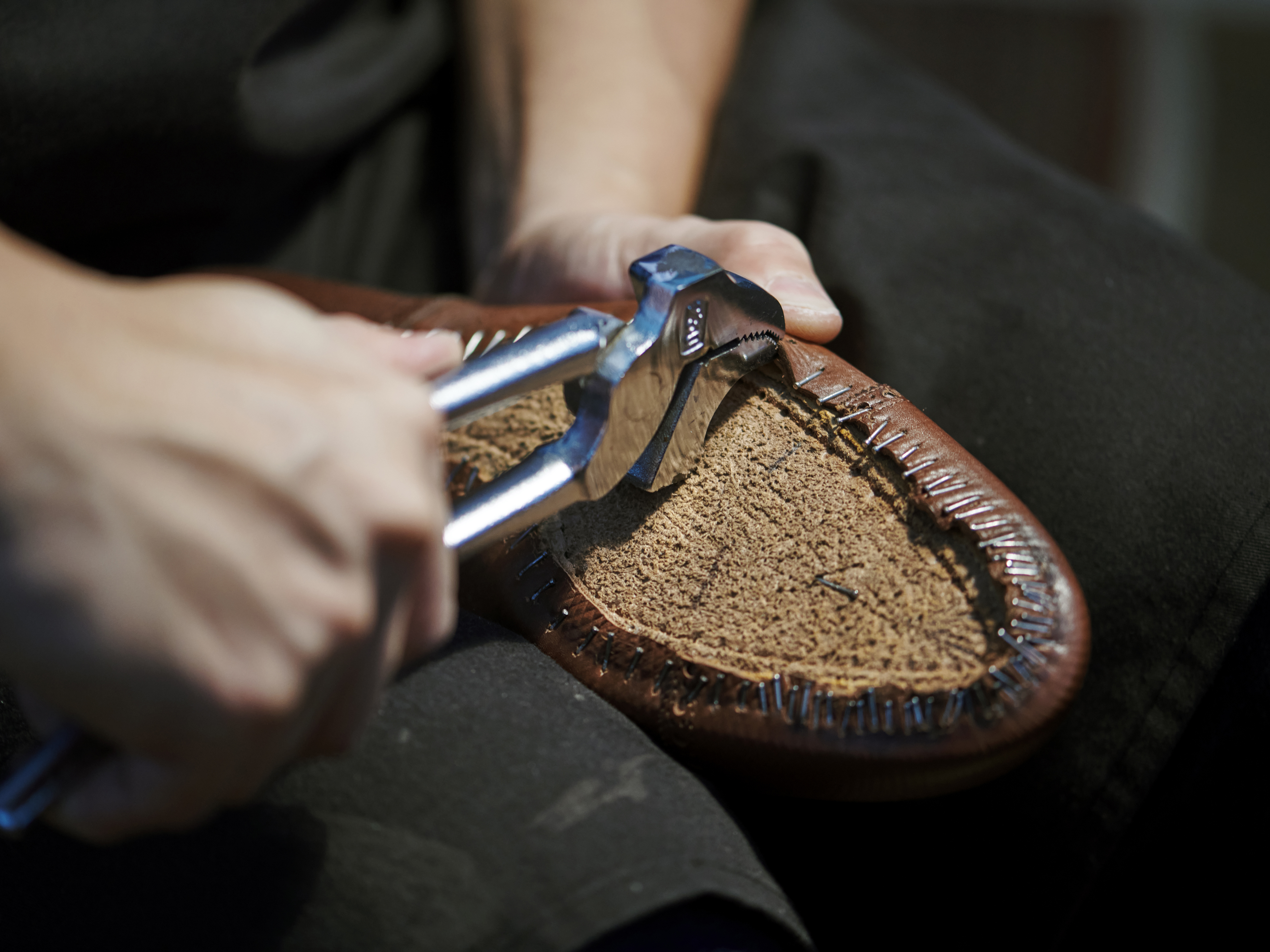
(Hang it up whilst checking the condition of the leather)
Whilst a machine can complete this task in a matter of seconds, it takes a whole day to do it by hand.
The sense of depth this creates is unique to handcrafting and cannot be replicated by machines.
The difference is particularly obvious when comparing the toe shapes.
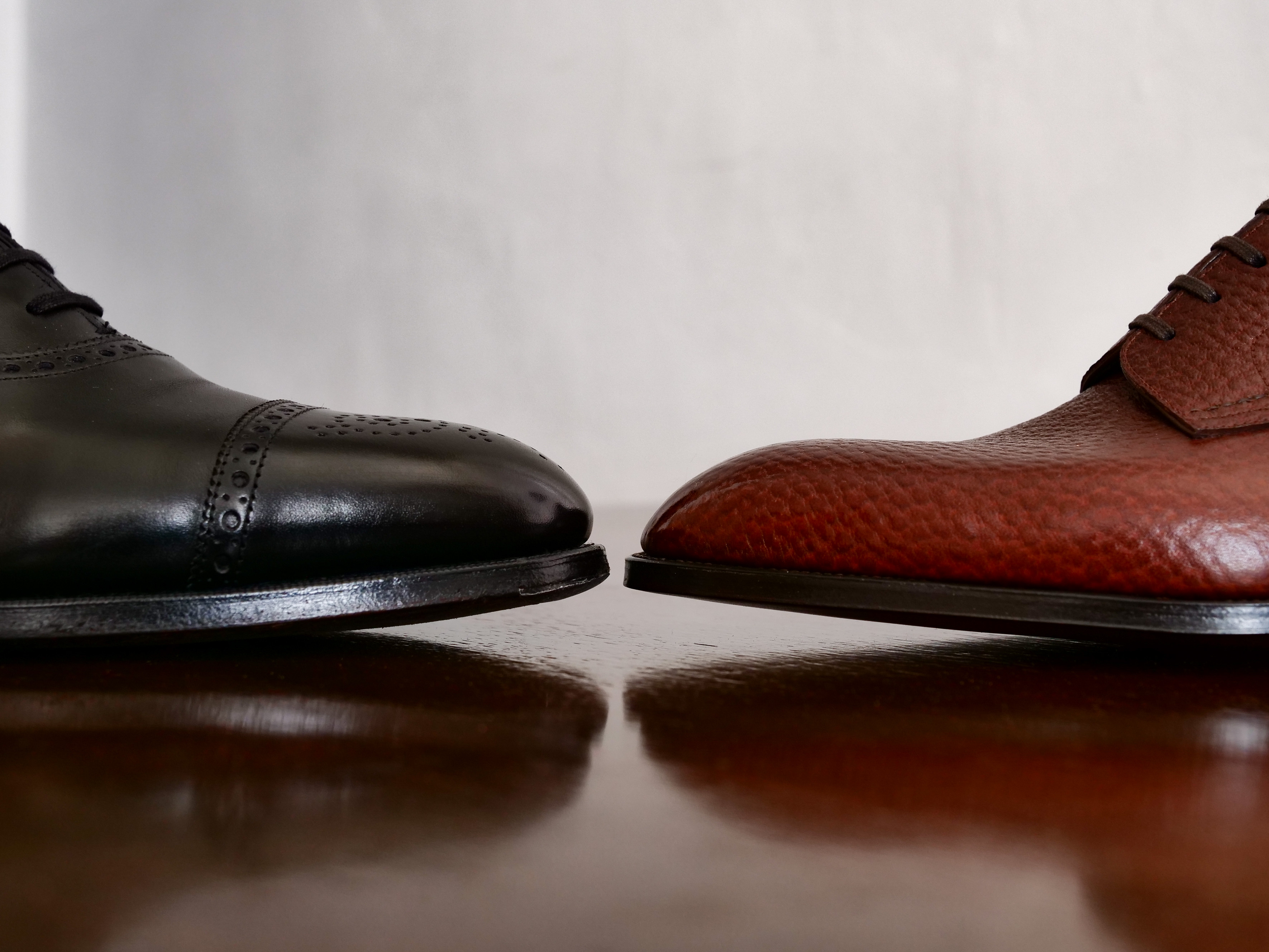
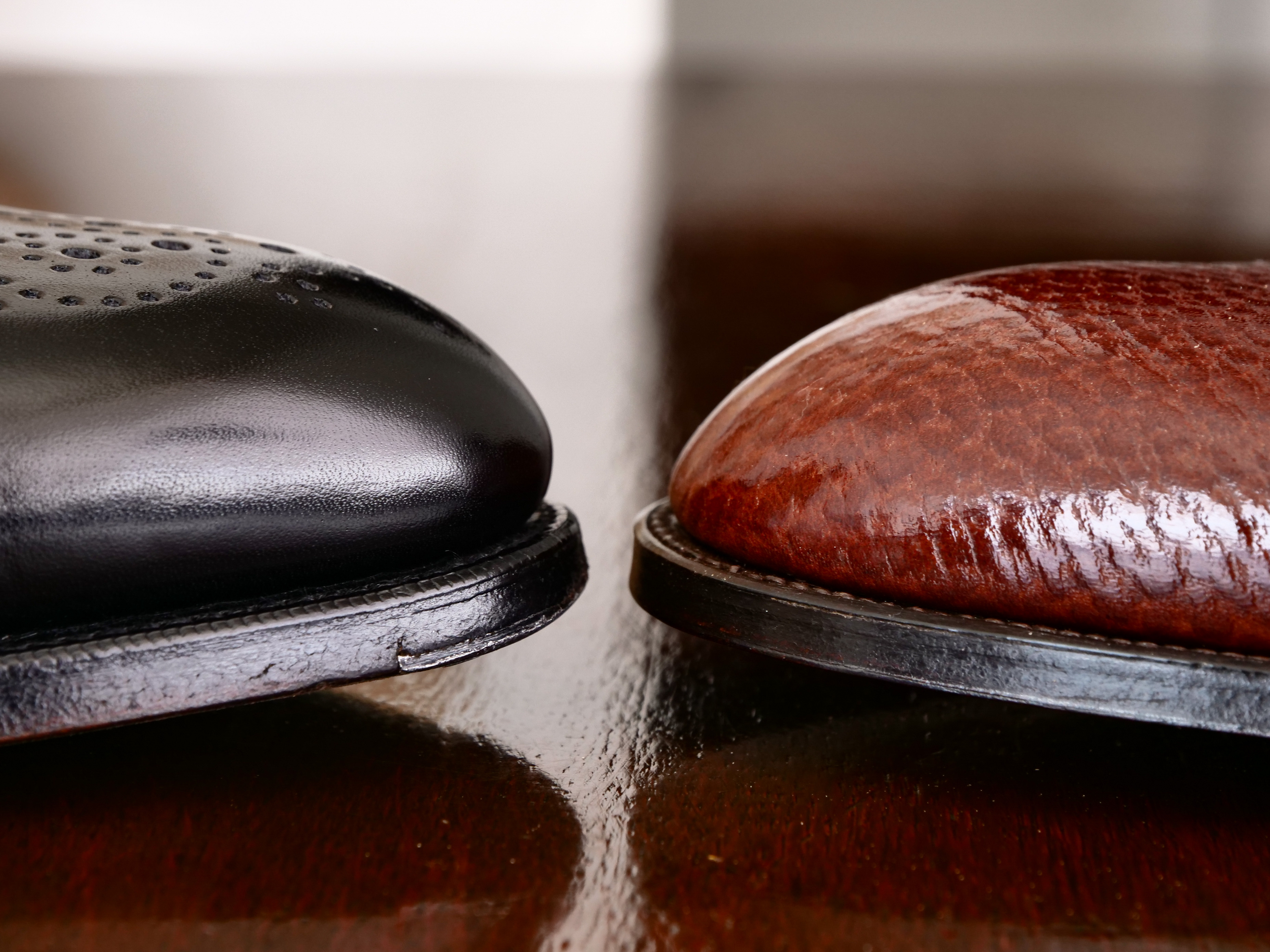
(The shoes on the right are hand-lasted, whilst those on the left are machine-lasted.)
The sharply defined toe shape is a hallmark of hand-lasted shoes.
Furthermore, when you look at the shoes Mr Shirakashi has hung up, you’ll be amazed by the sheer number of nails.
‘When sewing a cap onto the plain toe of a stiff box calf shoe, we use quite a lot of nails to ensure a meticulous finish that prevents creases and unevenness. We carry out this work with the aim of achieving a beautiful finish, rather than simply focusing on the number of nails used,’ they explained.
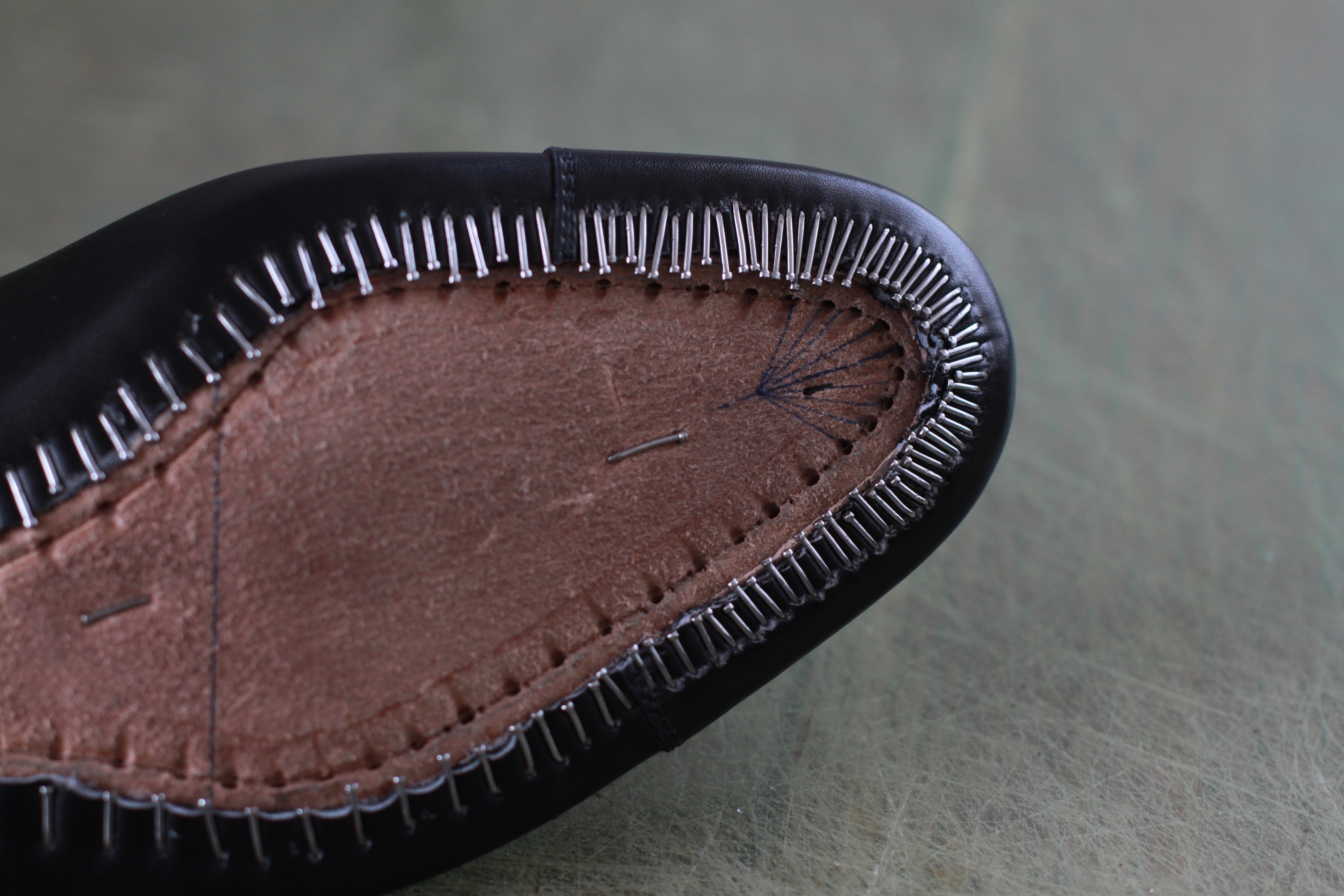
(So meticulously crafted that there is no space left to hammer in a single nail)
I suspect they’re driving in at least three times as many nails as you would for standard hand-lasting.
You really do do such meticulous work.
Furthermore, differences can also be seen in the edges of the base.
To ensure that the junction between the shoe’s welt and upper forms a smooth, undistorted line, the shoe is firmly tapped with a hammer after lasting to shape it.
Even if it’s just one leg30Minutes–45I’m told that each piece is hammered into shape, which shows just how much care and attention is put into even the parts you can’t see.
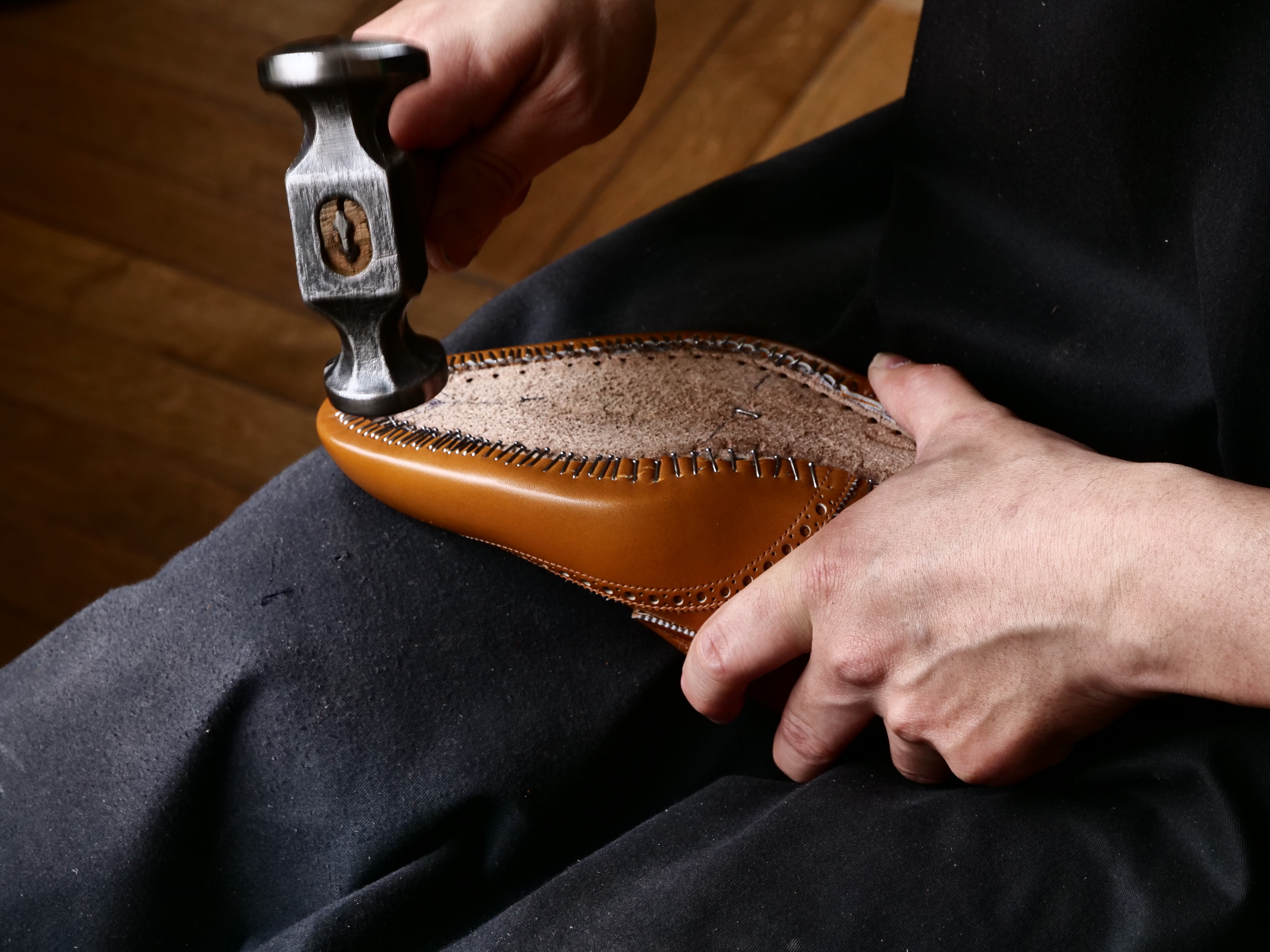
(You also tap the leather all over with a hammer to mould it to the last.)
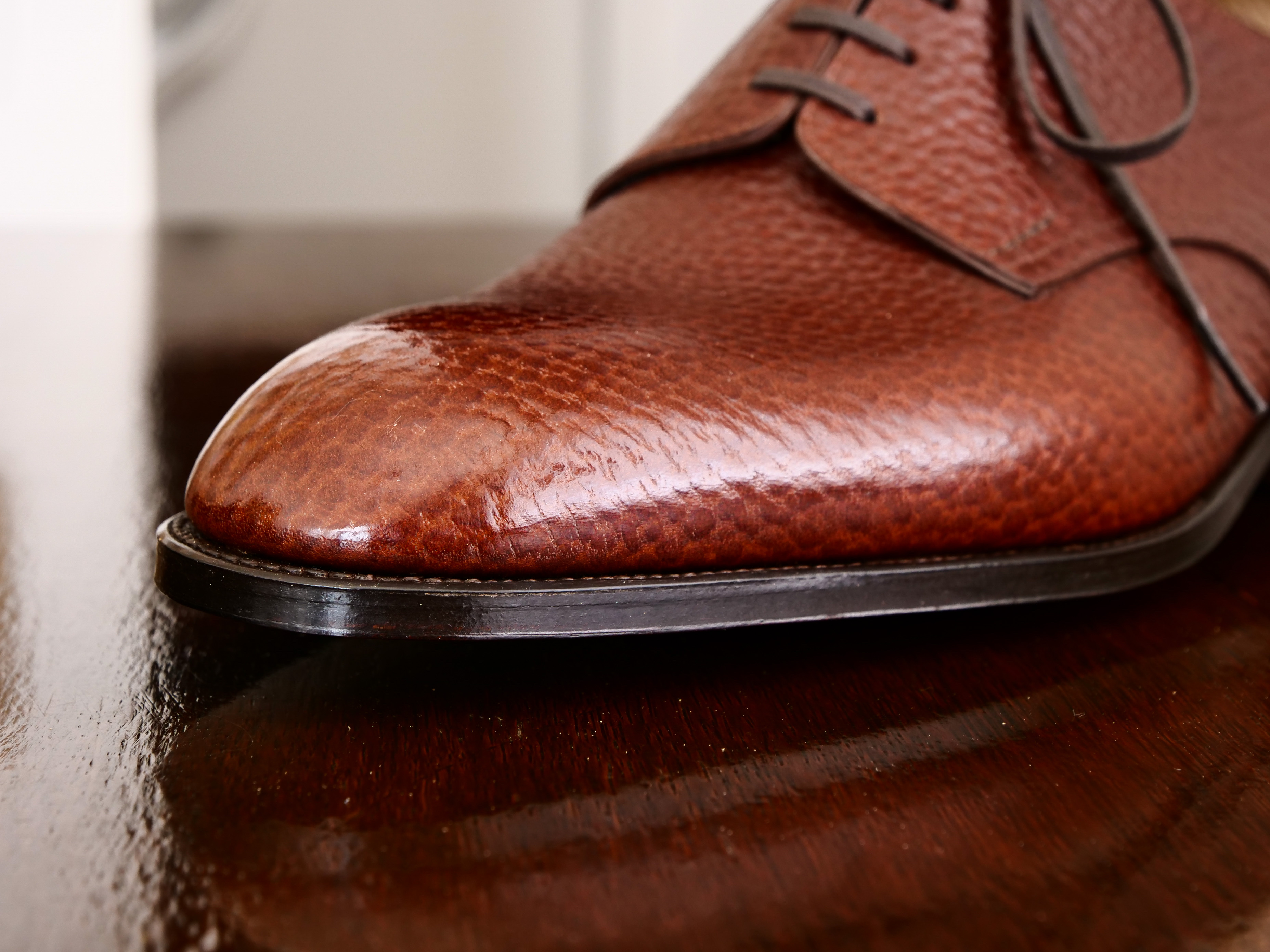
(Drawing smooth, flowing lines without any distortion(The junction between the welt and the upper)
[Difference 2]Hand-sewn welted (scoop stitching)
The process of hand-stitching the welt—arguably the most significant difference—differs greatly from the Goodyear method right from the stage of processing the insole.
In the standard Goodyear construction method, a fabric rib is bonded to the insole leather, which is then stitched to the upper and the welt.
In contrast, the hand-sewn welted construction involves manually carving a raised groove into the underside of thick leather, much like a sculpture, and then threading the stitching through this groove to attach the upper and the welt.
The advantage of the latter is that the ribs do not come away, and as there is minimal damage during re-welting, it can be considered the ideal manufacturing method in terms of strength and service life.
Furthermore, as there are no separate rib components, there are fewer factors to hinder bending, and only a small amount of filler (such as cork or felt, used to fill gaps) is required; consequently, it is characterised by its excellent flexibility.
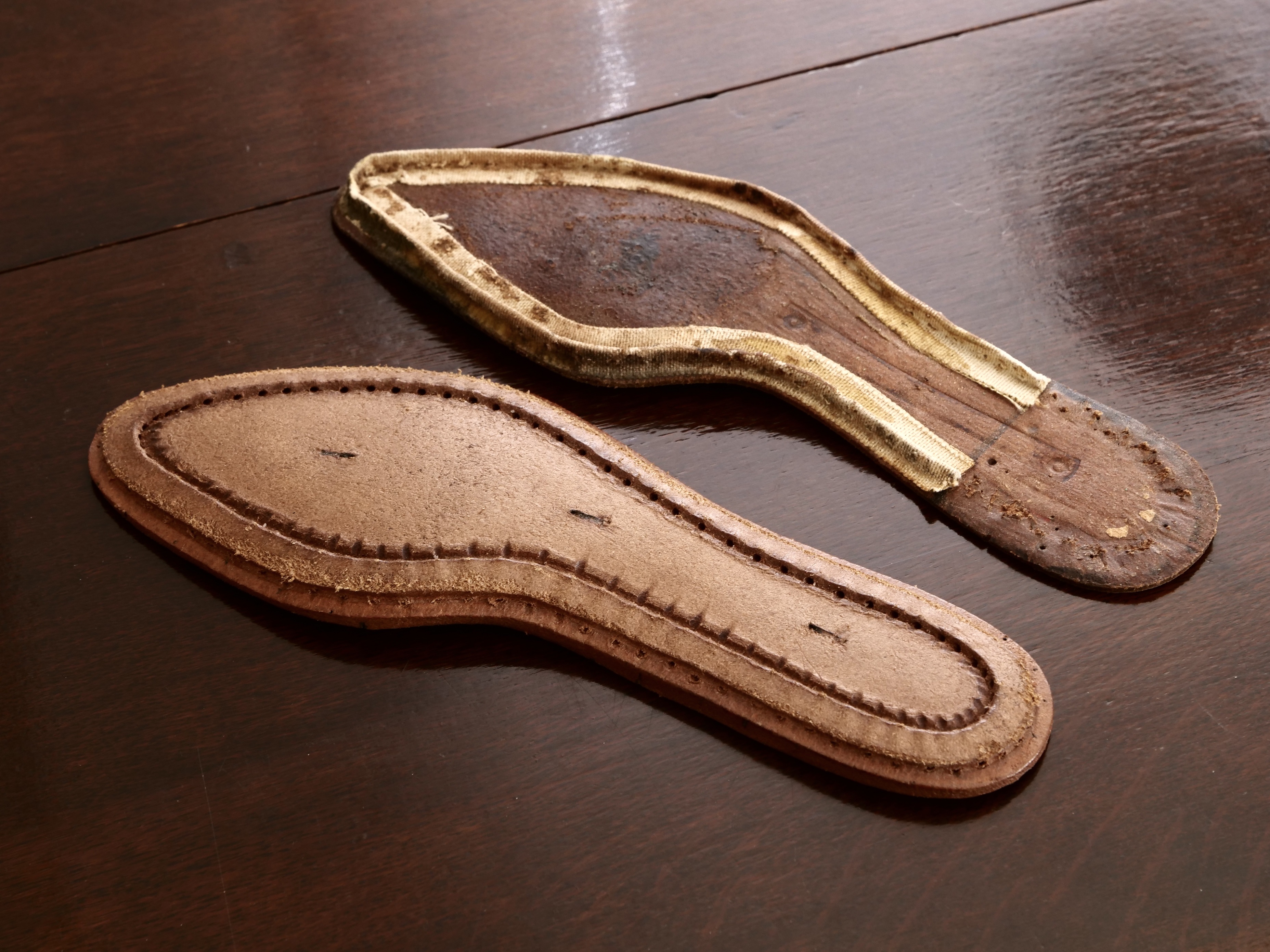
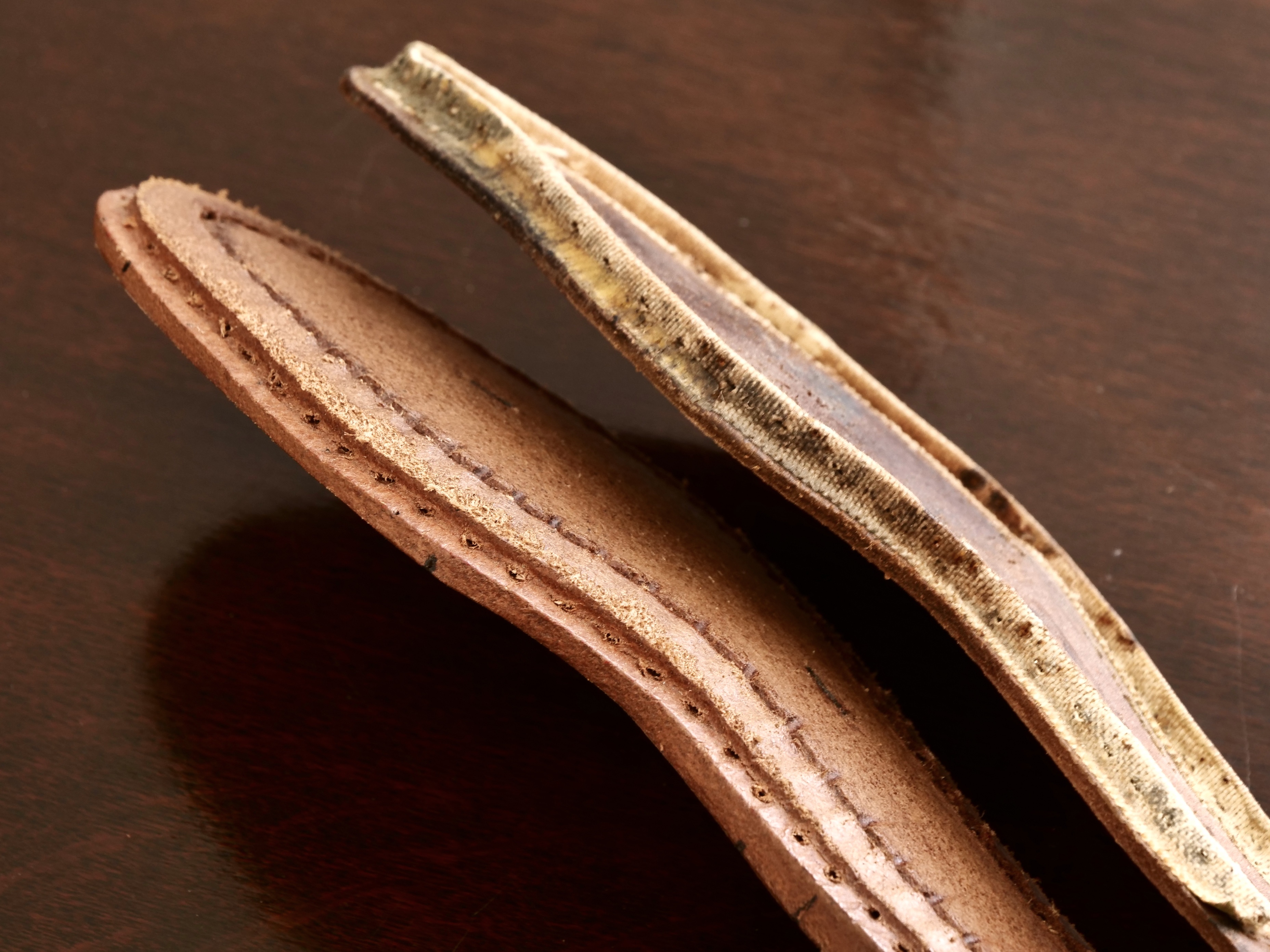
(The one on the left is for manual use; the one on the right is for machine use.)
T. ShirakashiWe place the greatest emphasis on this hand-sewn welting during the manufacturing process, and it is meticulously stitched using the same thread as that used in bespoke items (sewing thread made from Irish linen, hand-twisted and impregnated with wax).
It is said that the production of this thread—which also requires the skill and experience of craftsmen—is one of the key materials that determine the quality of the shoes.
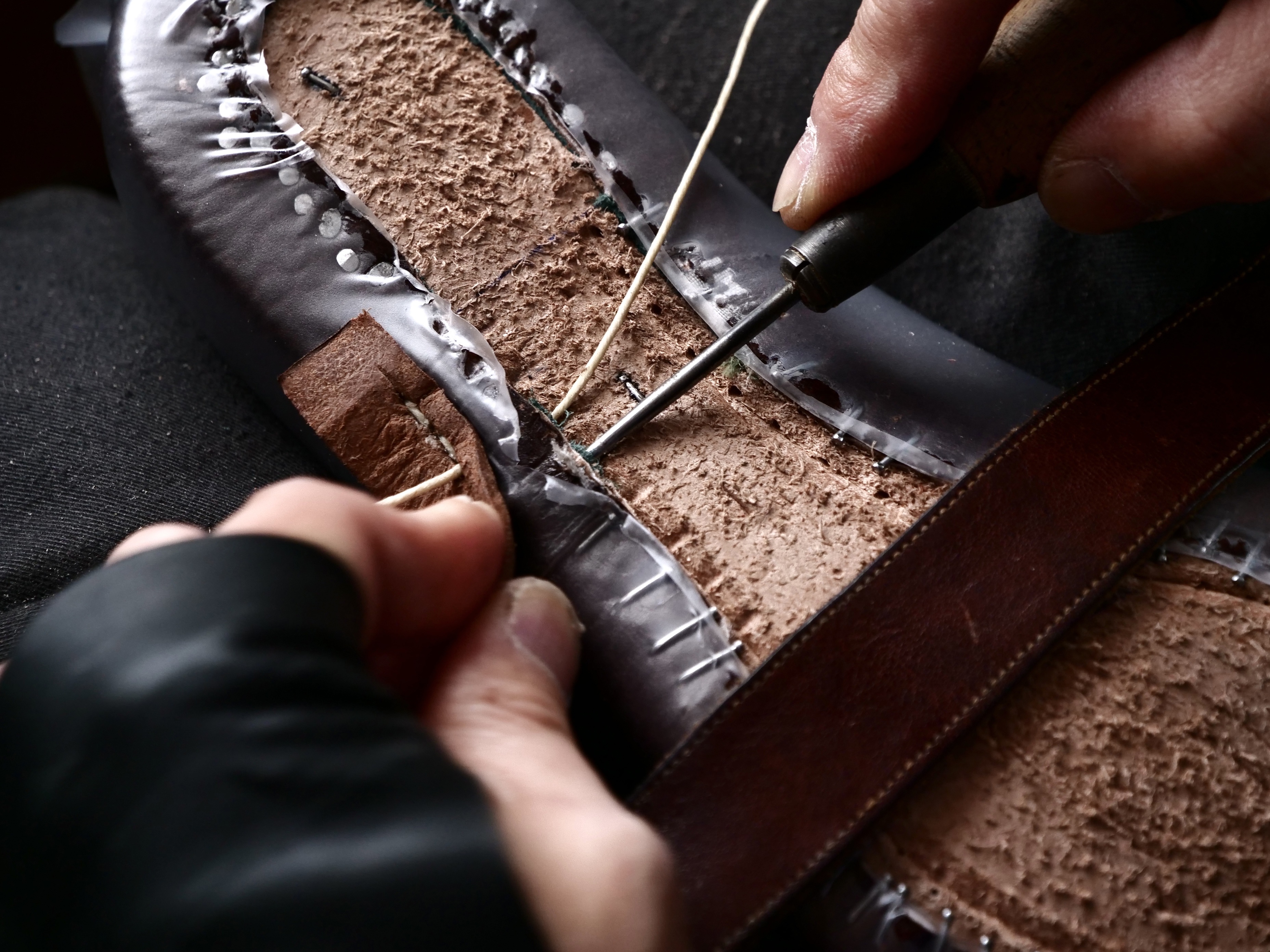
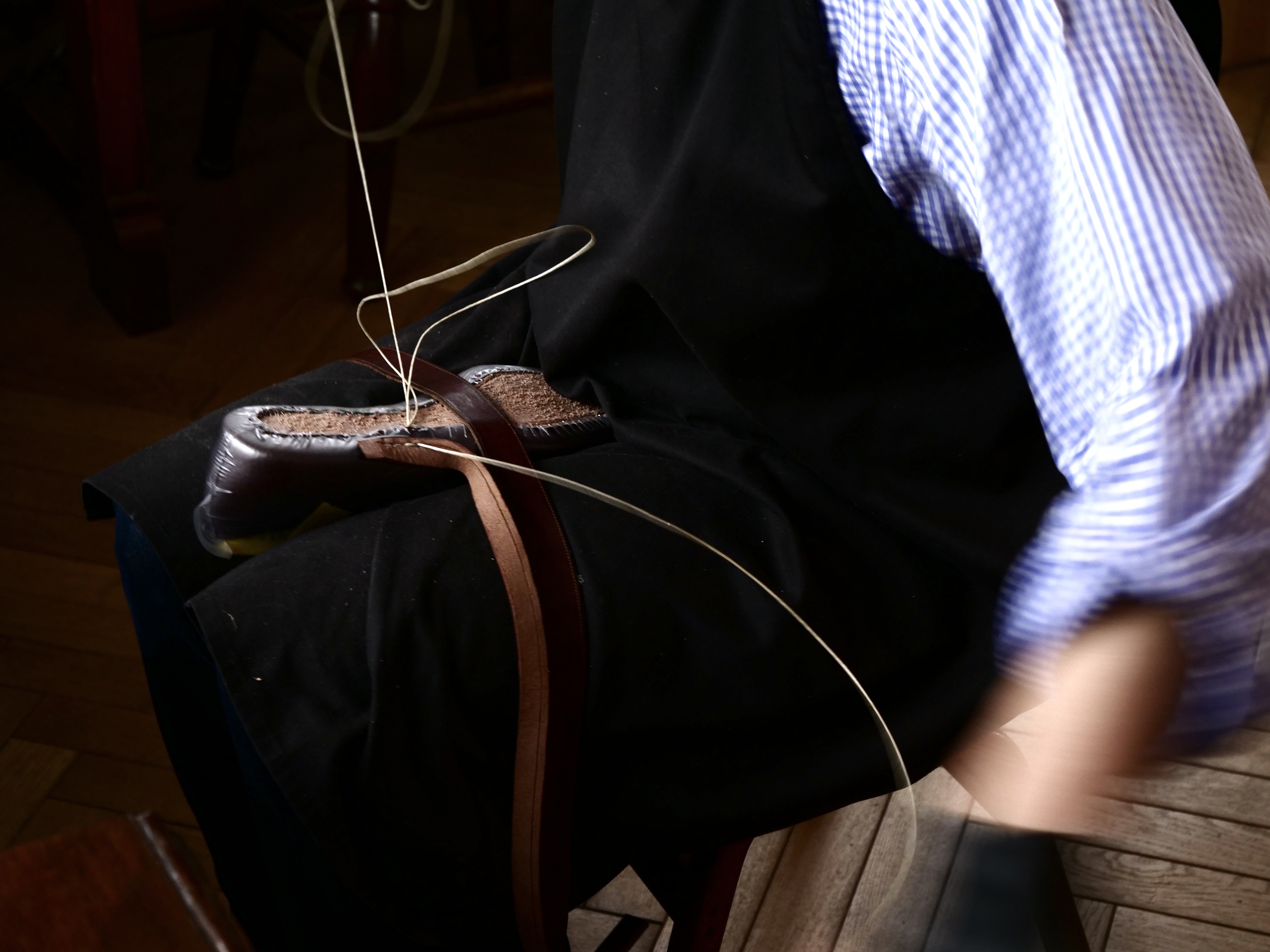
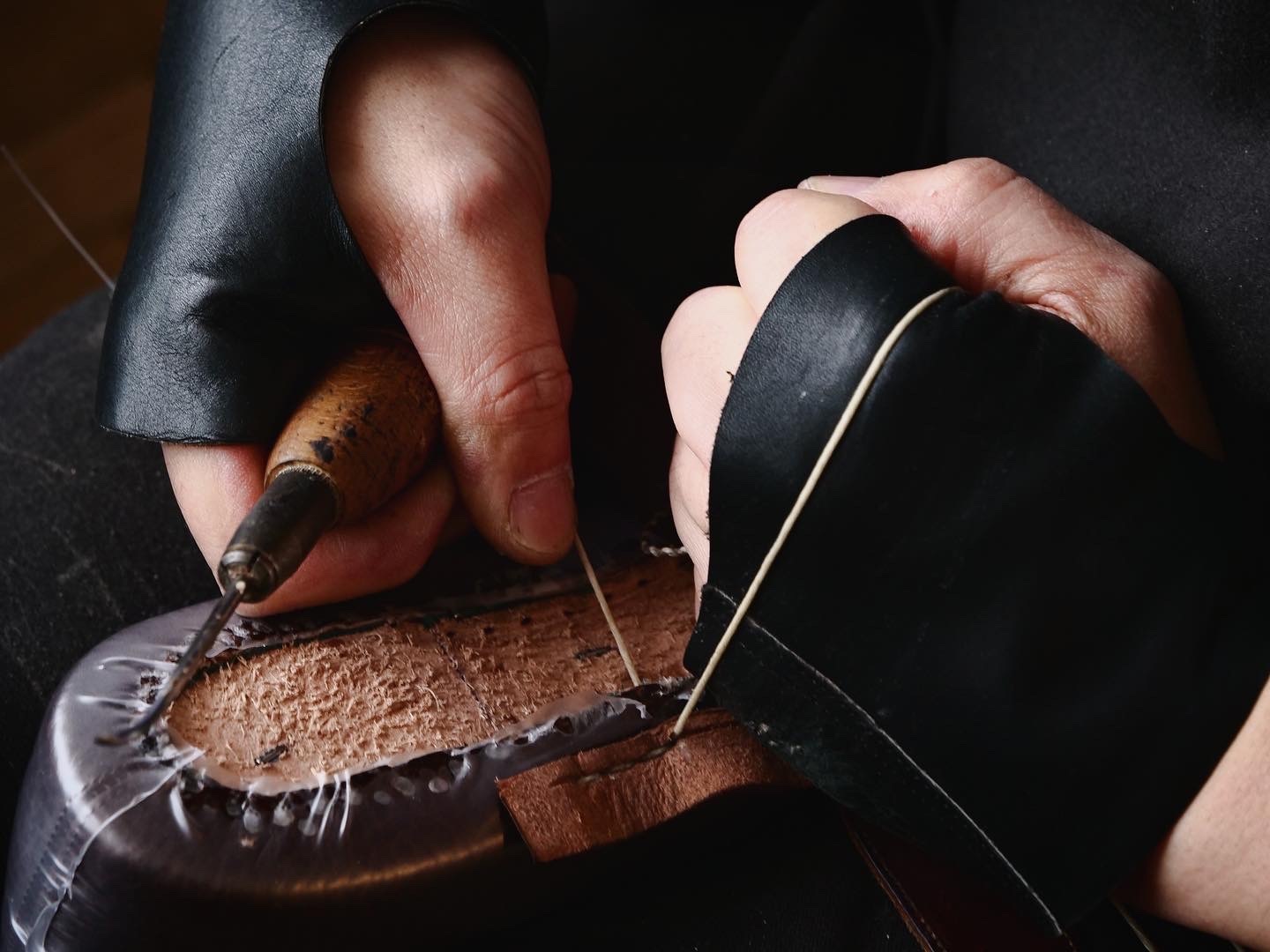
(Sew firmly so that the stitches do not come loose.)
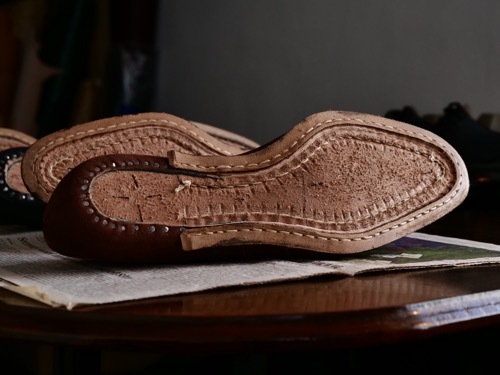
(Once the gathering stitch has been completed)
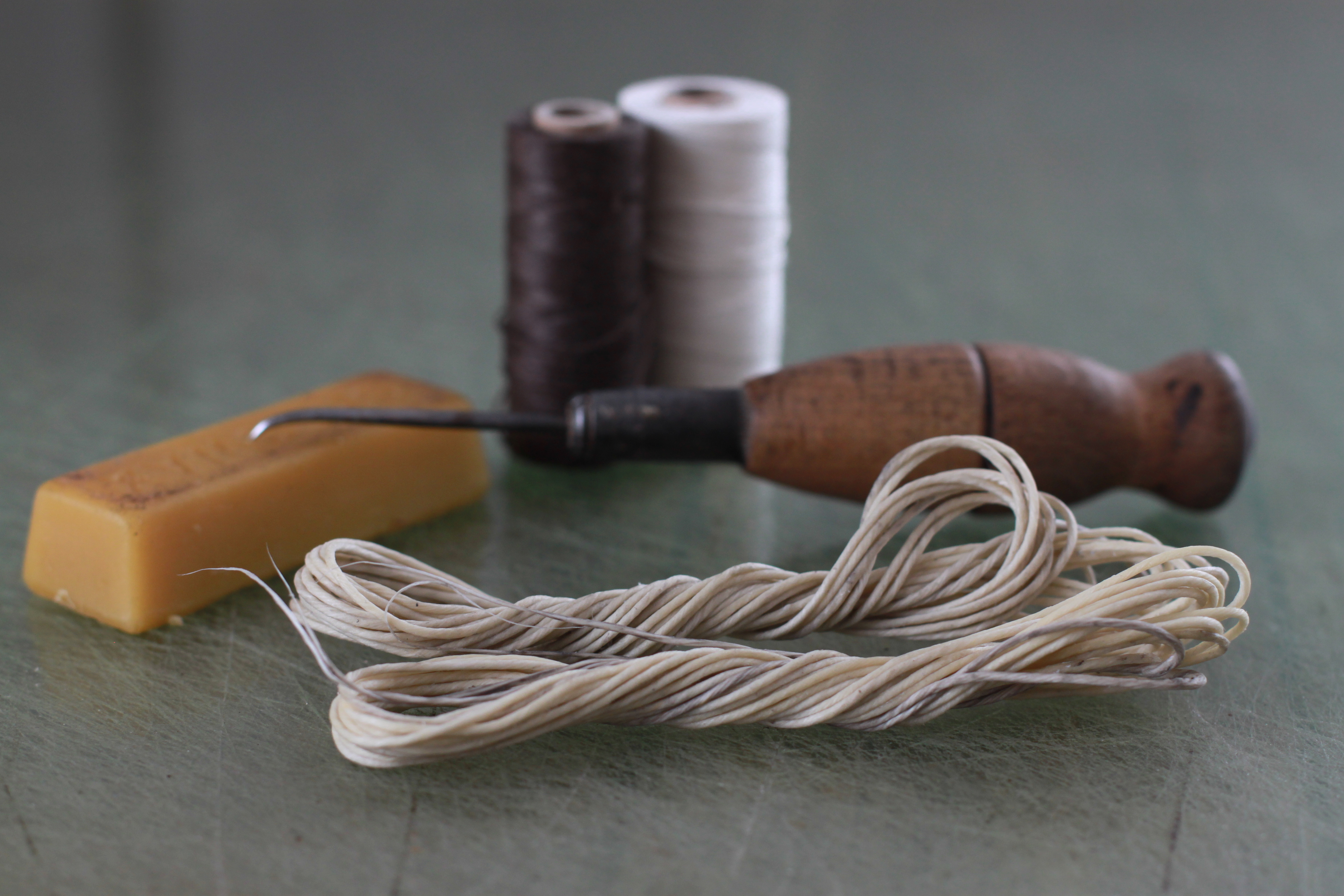
(A special type of sewing thread made from Irish linen that has been impregnated with a wax blend containing beeswax and pine resin. This is also handmade in our workshop.)
According to Mr Shirakashi, ‘Amongst some inexpensive hand-sewn welted shoes, there are examples where corners have been cut—such as the stitching being spaced too widely to allow for quicker production, or the stitching being too weak, which means the fit is prone to changing and the shoes lack sufficient strength. In that case, wouldn’t Goodyear welted shoes be far better?’
We, who usually carry out all sorts of shoe repairs, can certainly agree with that statement.
The story continues.
‘The welting in our workshop is not simply sewn on for the sake of it; we stitch it down firmly to enhance the quality and durability of the shoes. Although this is not visible, this difference has a significant impact on water resistance and the lifespan of the shoes.’
I see. As the term suggests, hand-sewn welted shoes—which require skilled craftsmanship to use high-quality materials and ensure a secure stitch—are both time-consuming and costly to produce, and this is reflected in the price; however, when one considers their longevity in the long term, it can be said that they are by no means overpriced.
Furthermore,T. ShirakashiFrom the insole and the toe and heel stiffeners right through to the welt, this long-established British brand160A tannery with a history stretching back years,J&FJ BakerWe use oak bark.
Apparently, this oak bark costs several times as much as the materials commonly available in Japan, but as they simply could not find a suitable alternative, they decided to use it, prioritising quality over cost.
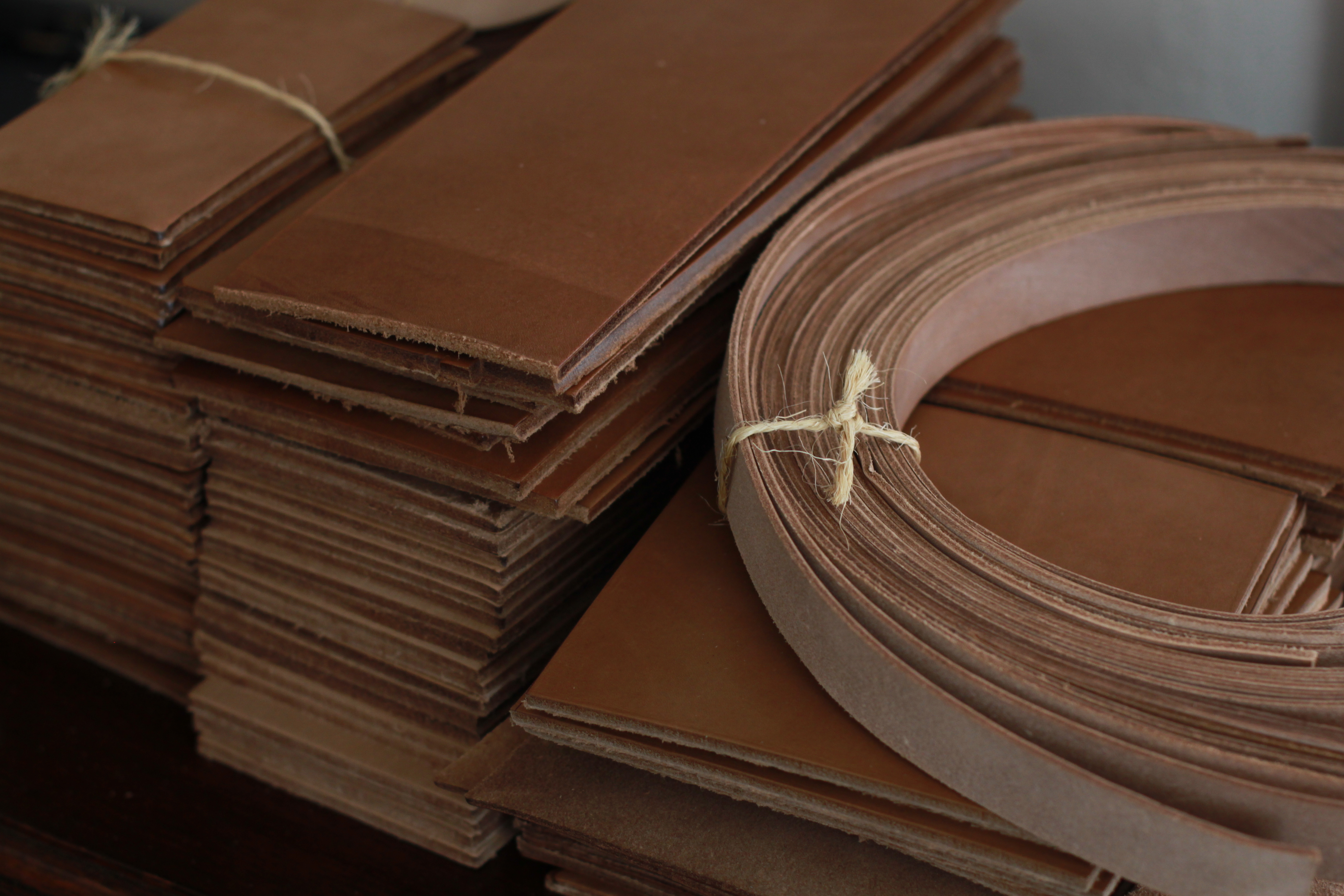
(Oak Bark leather used in MTO)
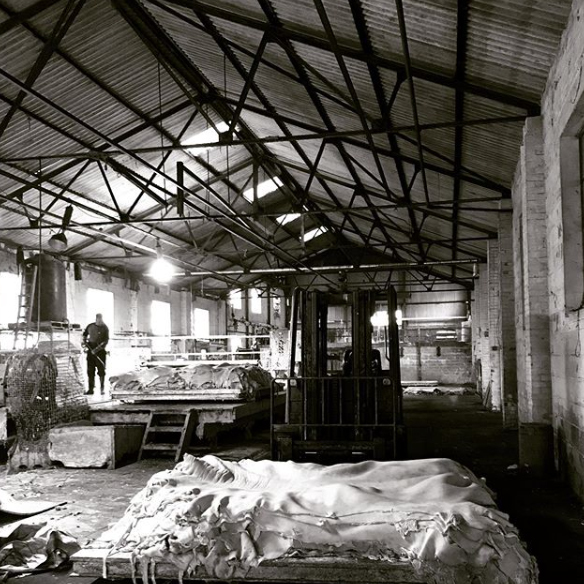
[The UK’s oldest tannery, which continues to supply materials to renowned bespoke houses]J&FJ Baker. Oak bark tanning takes approximately1It takes years and a great deal of effort (Photo courtesy of:J & FJ Baker)】
There are probably very few MTO shoes, even internationally, that are as meticulous about their materials as these.
Even with high-end ready-made shoes costing over 200,000 yen, many parts are produced using machines, and the majority utilise chemical solvent-based linings.
No other manufacturer goes so far as to disclose even the finest details of its materials to tanners.
Small-scale manufacturers, unlike those with large-scale production facilities,MTOThat is precisely why this is an advantage.
As such, Mr Shirakashi is so thorough in his efforts to faithfully recreate British shoemaking that he produces not only the methods but also all the tools and materials in accordance with the ancient British traditions handed down through the ages.
It is said that they put into practice a policy of ‘whilst creativity and ingenuity are necessary, we do not change what should not be changed’.
The first half of the manufacturing process described above is carried out at the workshop in Yokohama by Mr Shirakashi himself or by experienced bespoke outworkers.
From ingredients to production methodsMTOAs ‘bespoke’ is exactly the same, the two are not distinguished from one another, and production is carried out with the utmost care.
In fact, the transparency regarding who manufactures the products and how they are made is a hallmark of purely domestic productionMTOThat’s the advantage, isn’t it?
Once the welting process is complete, the shoes are handed over to Union Works.
Our skilled factory staff sew on the soles, attach the heels and finish the edges and the underside of the soles to complete the shoes.
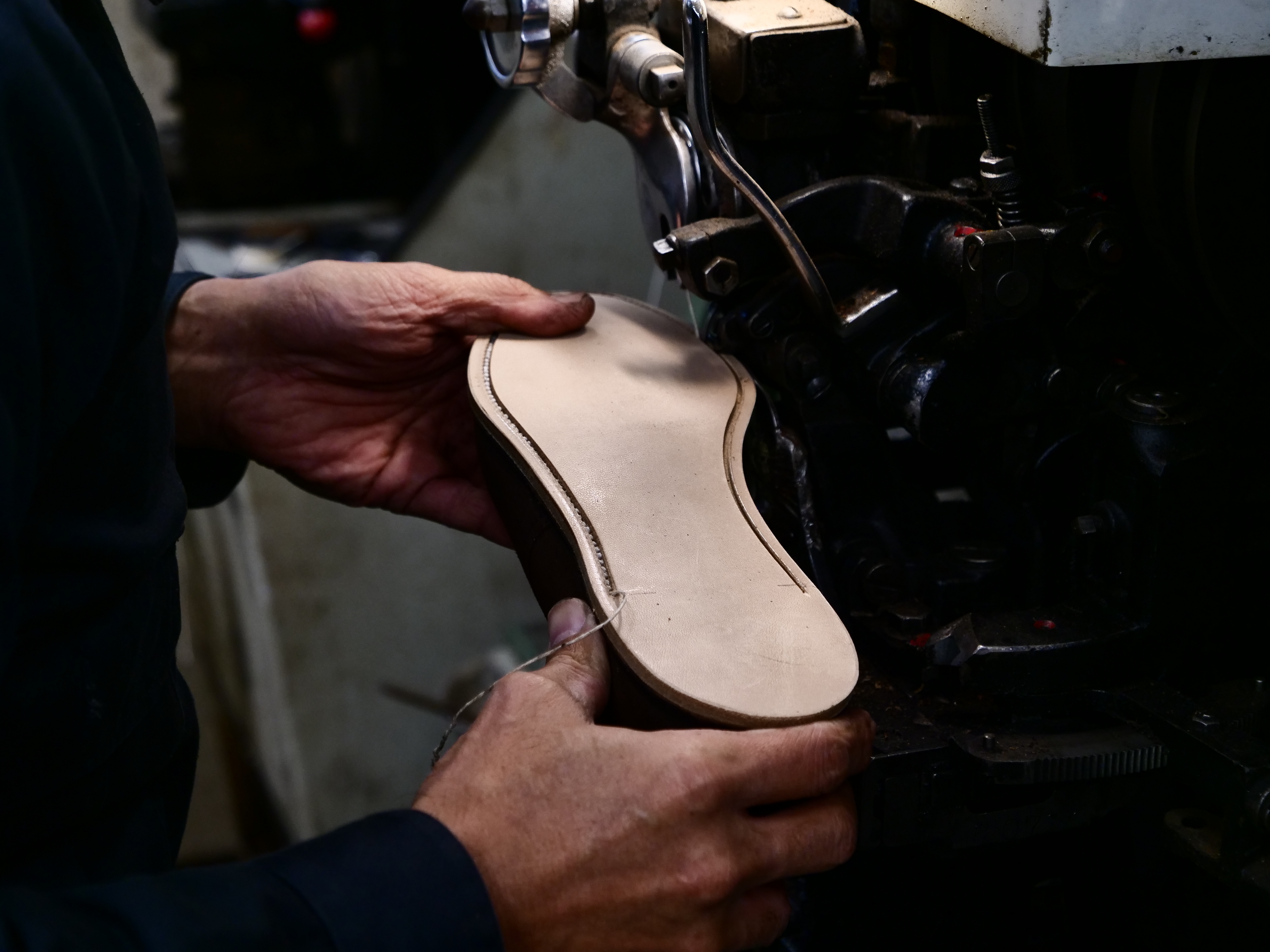
(Work at Union Works Factory)
There is a great deal of manual work involved here too, and the experience gained over many years of repairing various types of footwear, particularly British shoes, is put to excellent use.
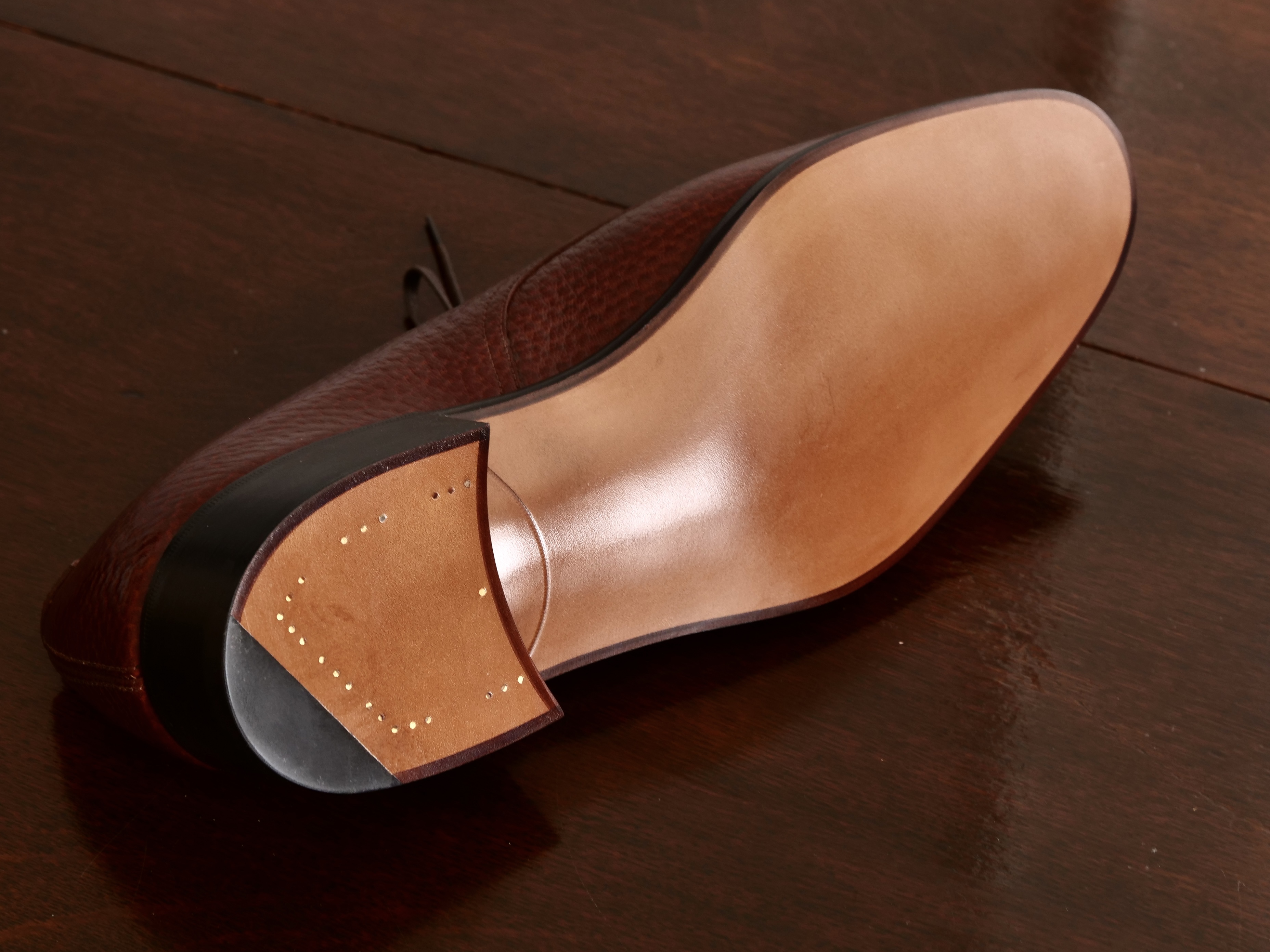
(Our renowned finish on the bottoms)
You can customise your shoes to your liking, choosing from leather soles, of course, as well as rubber soles, half-collar soles, double soles and vintage steel soles.
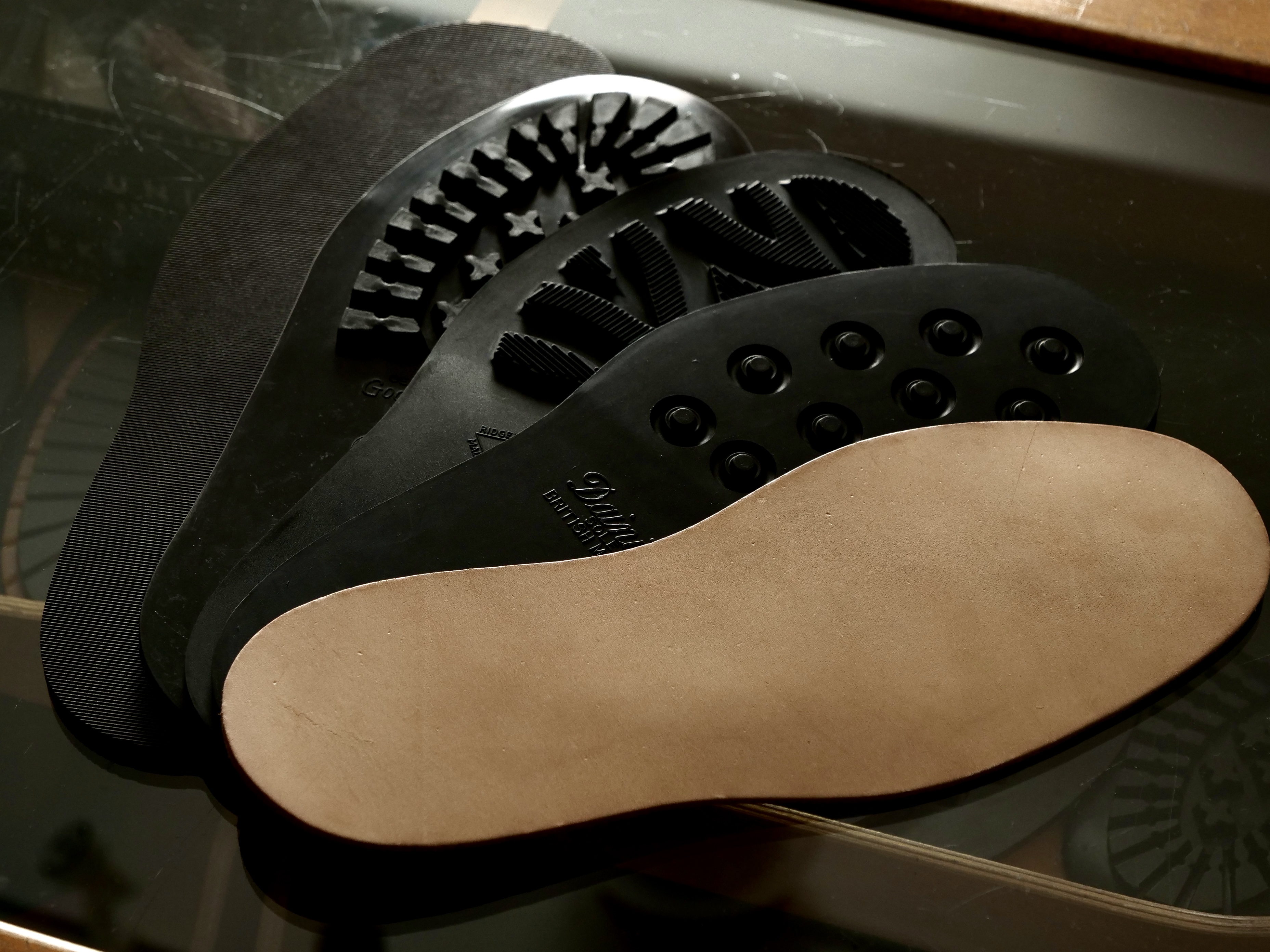
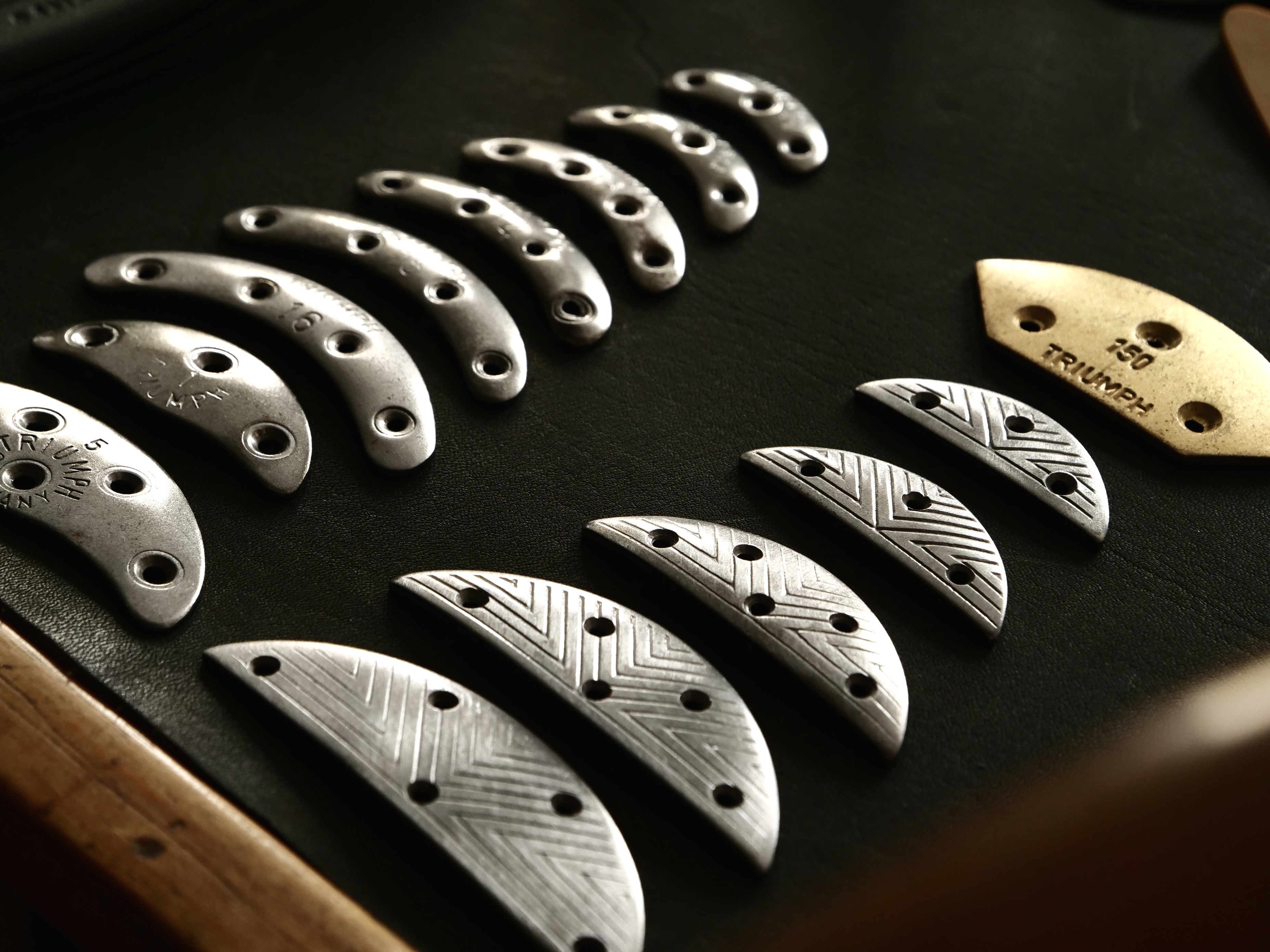
As some stages of the process are machine-finished, we are able to keep prices lower than for bespoke items.
Furthermore, as repairs can be carried out using Union Works’ standard range of services—such as heel replacements and full resoles—this makes maintenance and upkeep more affordable than with bespoke shoes, which is another key advantage.
A hand-sewn welted shoe, crafted by a bespoke manufacturer in collaboration with Union Works, with meticulous attention to detail taken to the very limit,MTO。
I think you’ll be able to appreciate the high quality of this item once you see it in person.
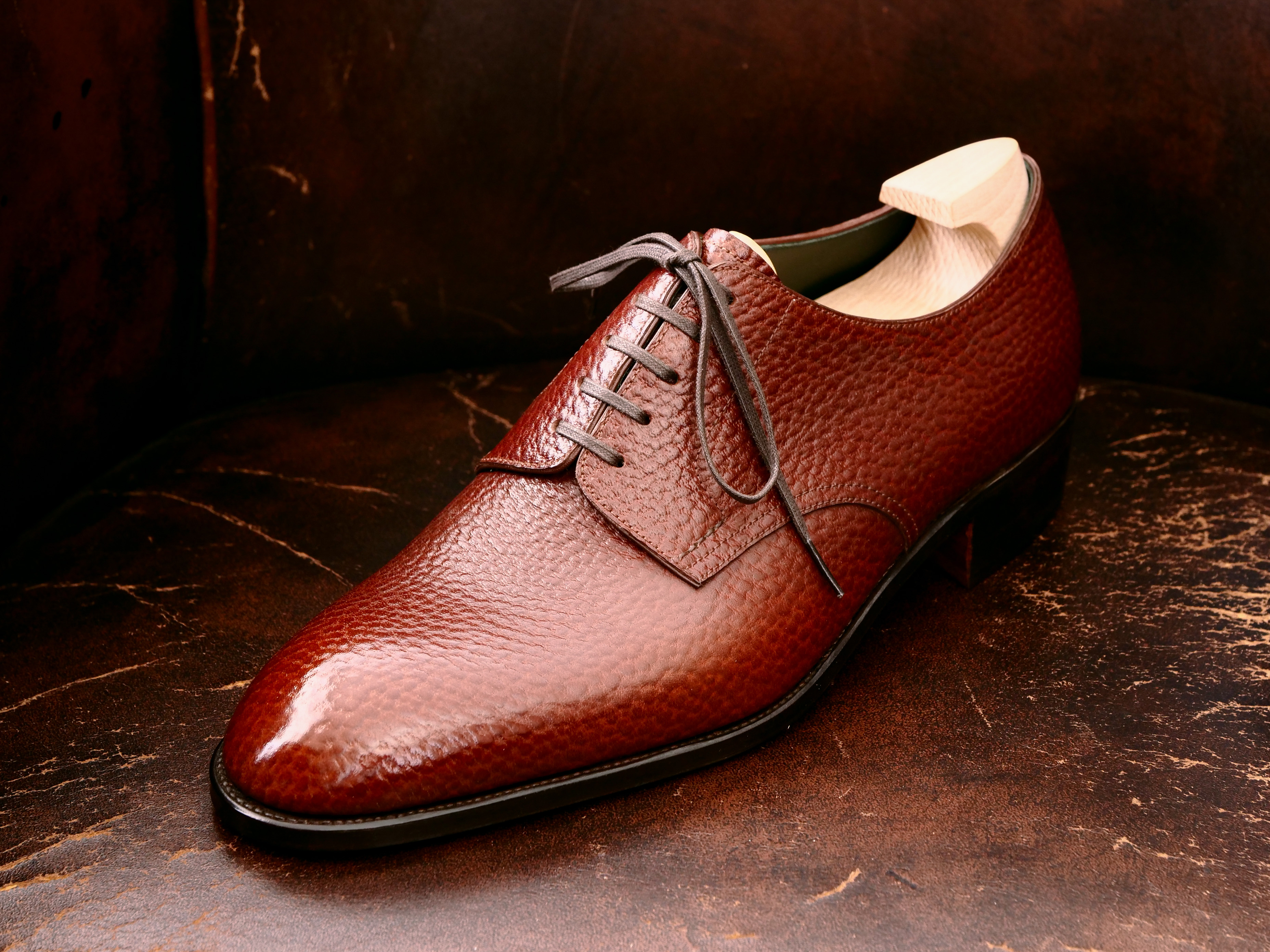
(New Derby model from the MTO sample range)
There are plans for further new releases as well.
InstagramThey say they will be posting updates from time to time on these platforms and elsewhere.
Overview of the Order Event
It is scheduled for Saturday 26 and Sunday 27 June.
UNION WORKS The Upper Gallery
From 242,000 yen (including tax)
*Please note that as the shoe trees are manufactured in the UK, delivery may take longer than usual due to the impact of the coronavirus.
Original shoe trees, shoe bags and boxes
What did you think?
I think it was a real treat for shoe enthusiasts, with some in-depth content.
I can say from the bottom of my heart that it is an ‘outstanding product’, but I think there are many aspects that cannot be conveyed through text and images alone.
We’ll have fitting samples available on the day, so we’d love for you to come along, have a look at the actual items, hear what we have to say, and try them on.
Please feel free to contact us or make a booking.
https://shirakashi.jp/pages/contact
Thank you very much.
Yokohama Branch, Shin