
Frequently Asked Questions: Wear on the Toes of Shoes and Repairs
Frequently Asked Questions: Wear on the Toes of Shoes and Repairs
22 January 2026
What condition are the soles of your shoes in at the moment?
Some people wear them straight out of the box, whilst others reinforce them first.
Leather soles, rubber soles, etc.
Repair methods vary depending on the materials and manufacturing processes used.
In our shops, in particular, we receive many enquiries regarding wear around the toes and repairs.
‘I don’t know how to repair it after I’ve bought it’
‘I’ve had it repaired once, but if it gets worn down again, can you do the same thing?’
I’m sure many of you are wondering…
So, in this article, we’ve summarised the key points regarding toe and sole repairs.
Please do use this as a guide, comparing it with your own shoes.
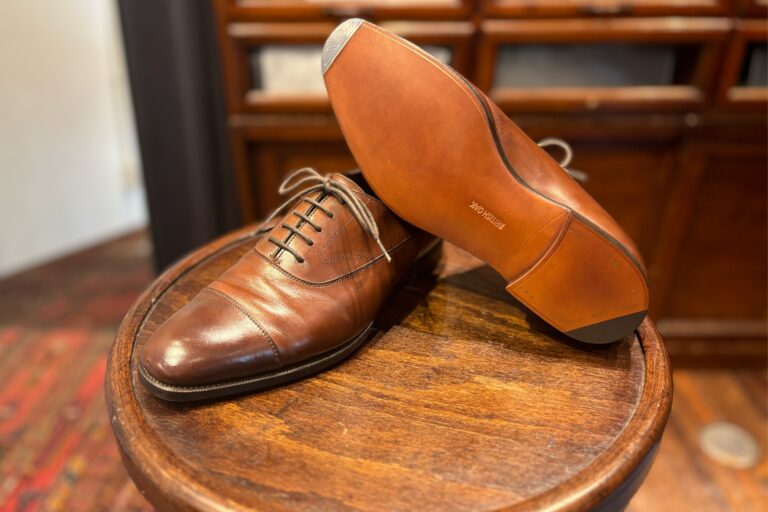
First up, the leather sole.
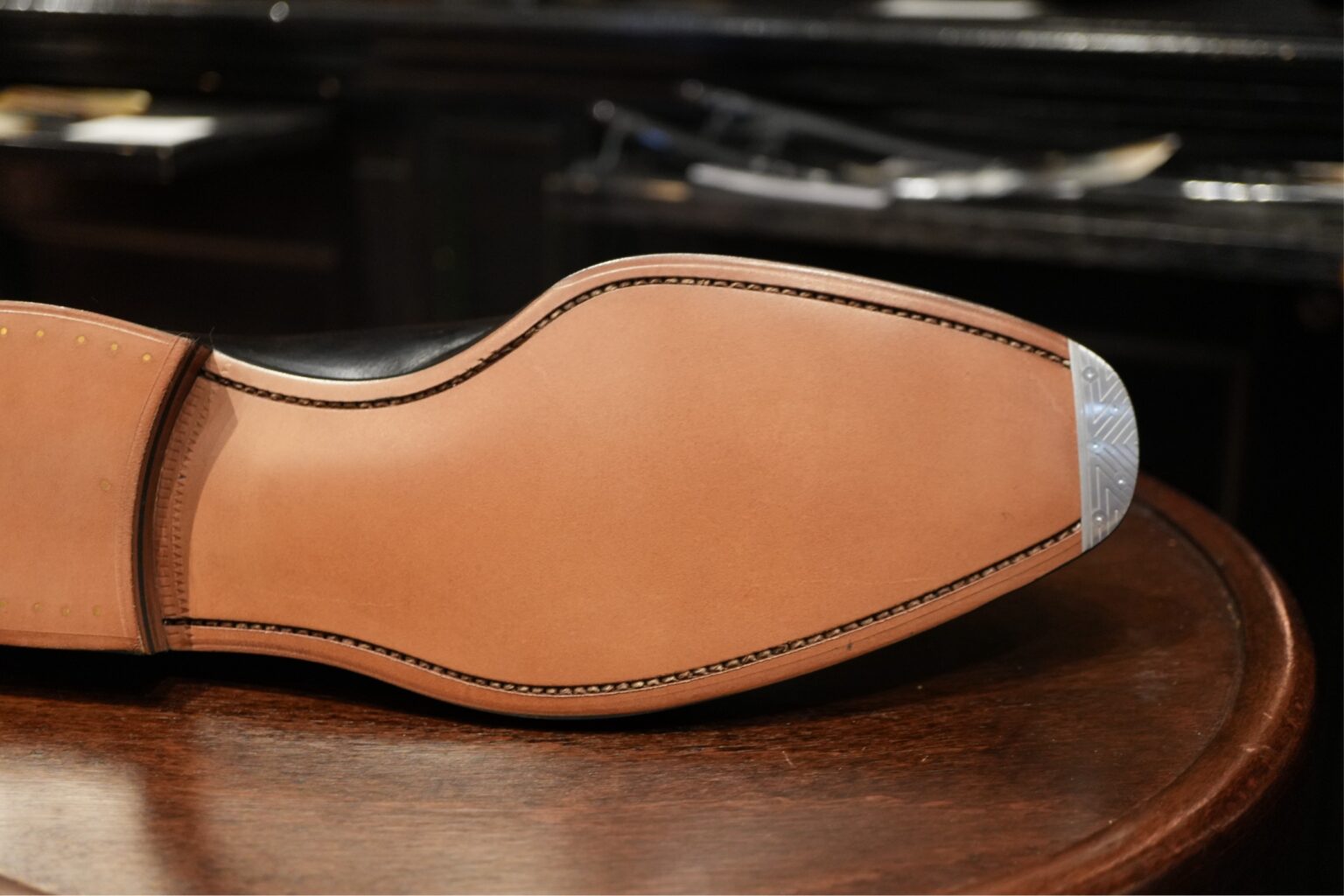
I suppose vintage steel is the first thing that springs to mind when it comes to reinforcement.
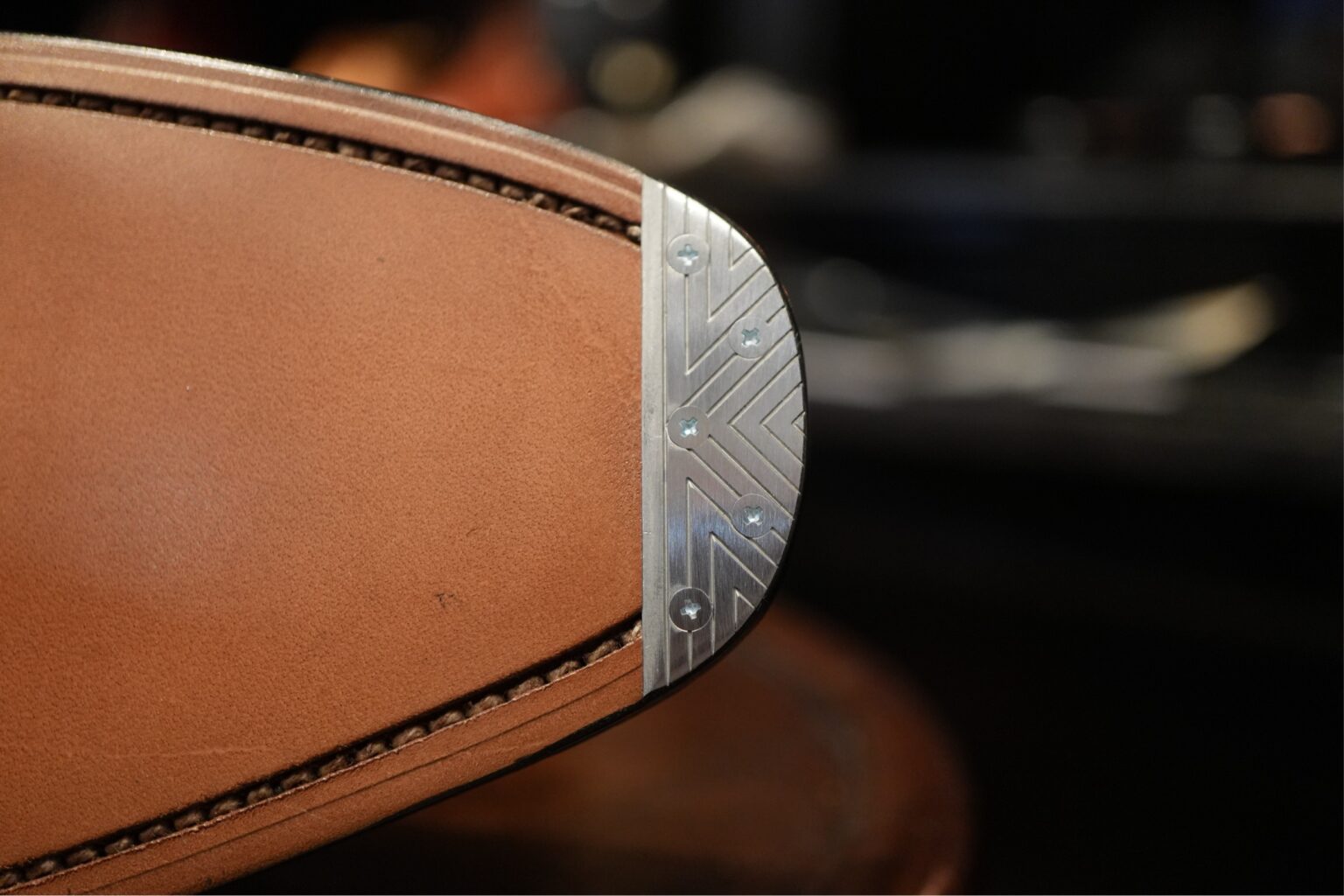
These are ideal for those who want the highest level of durability and wish to wear their shoes with the leather soles intact, whilst ensuring that the toes are properly protected against wear and tear.
That’s the most classic of all classic reinforcements, isn’t it?
*Please note that this can only be fitted to shoes with leather soles.
Furthermore, shoes with thin soles, such as those made using the McKay or moccasin construction methods, may not be suitable for fitting.
Next,
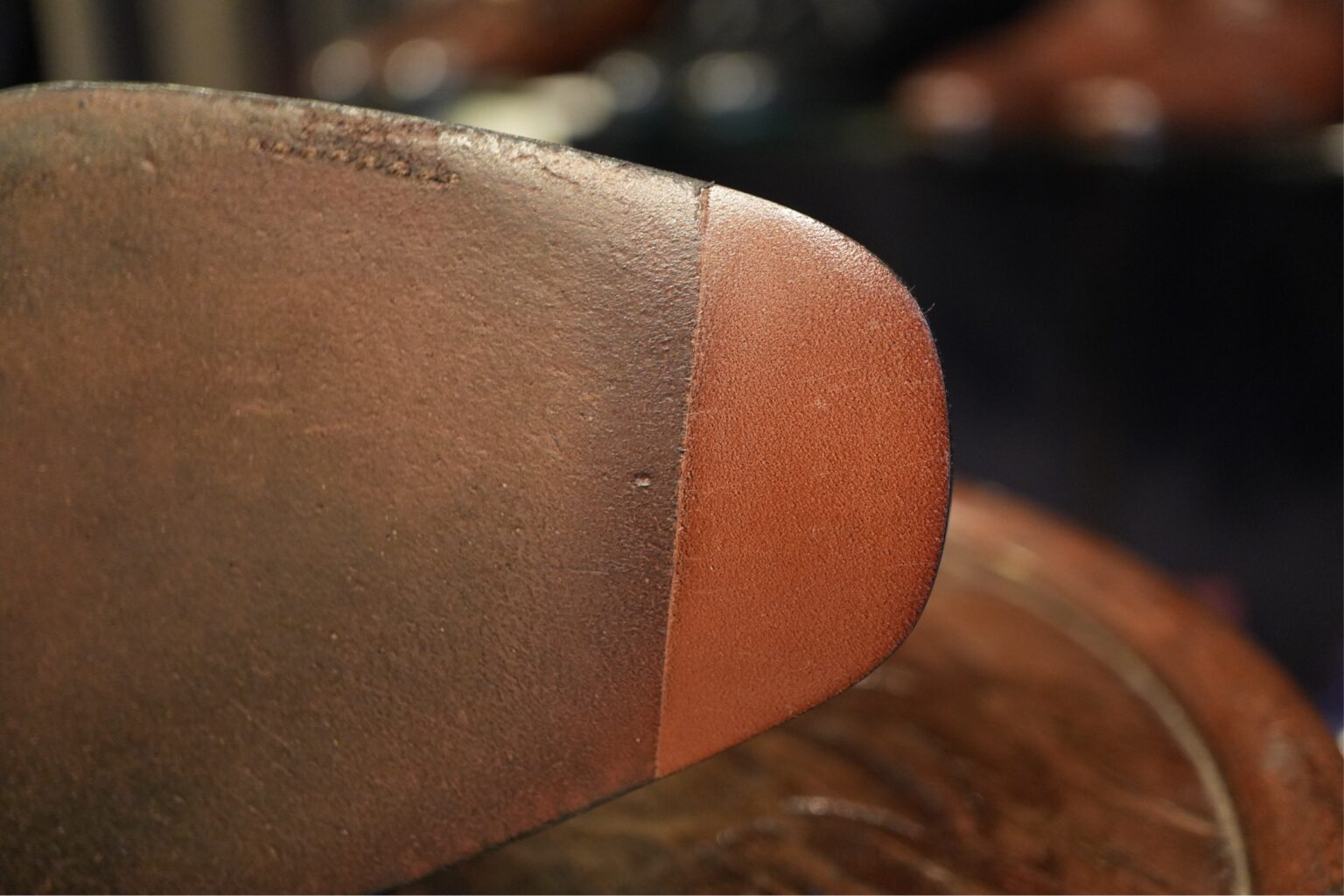
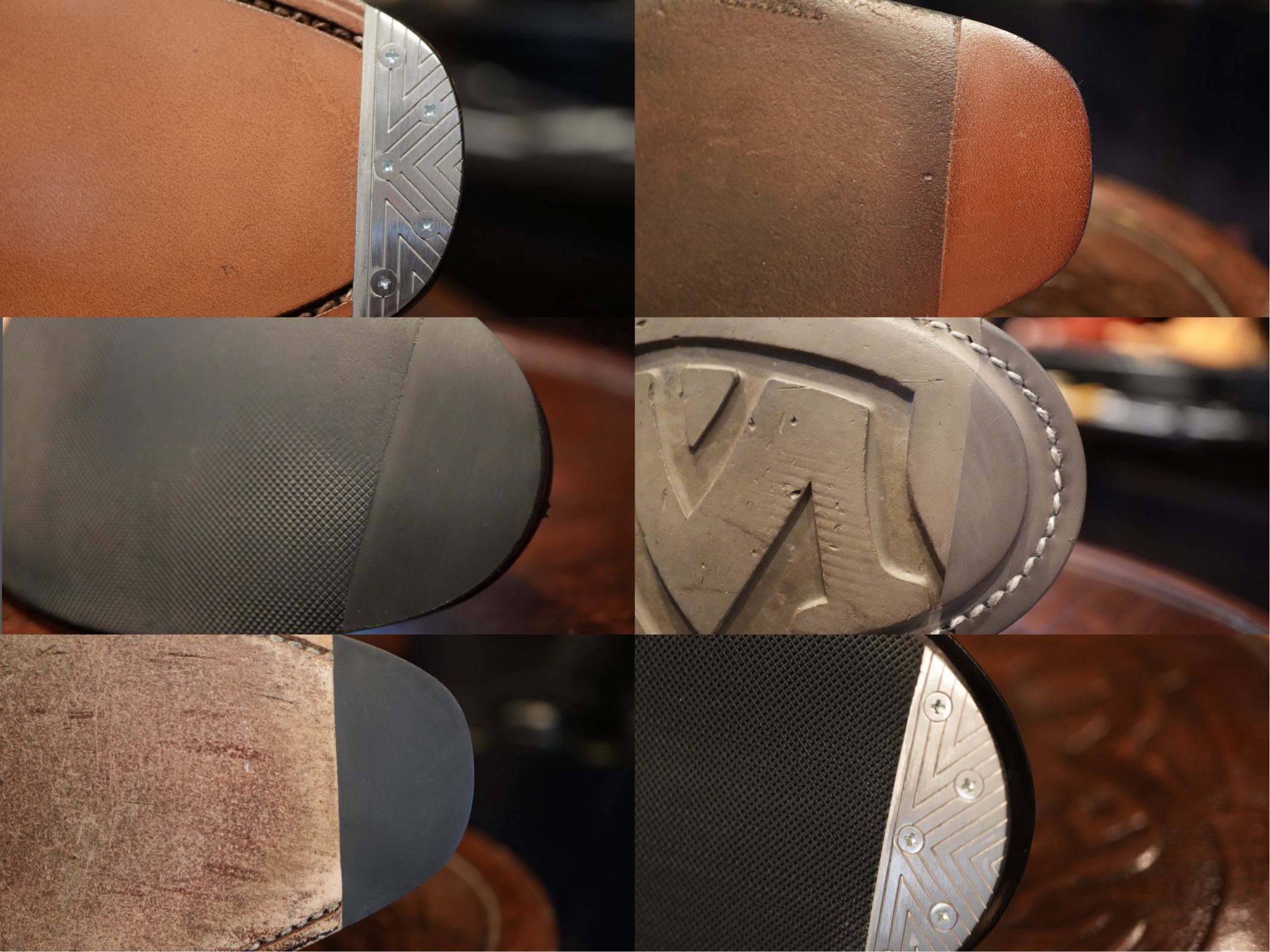
TOE Leather
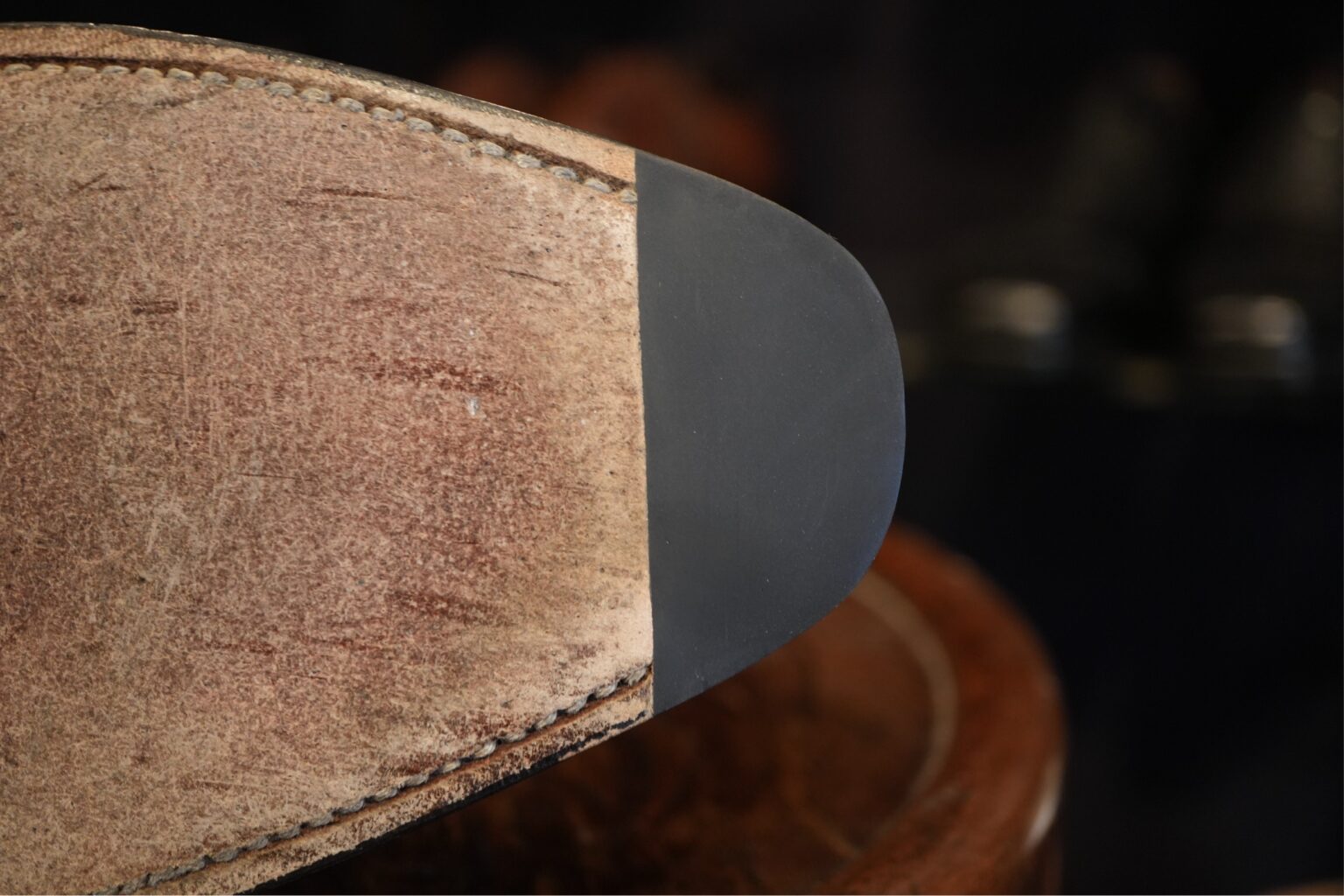
TOE Rubber
This repair involves adding leather or rubber to the worn-down tips of the shoes to restore their thickness and shape.
Unlike vintage steel, it is not as it was when new, but
This is the sort of repair you carry out once you’ve worn the shoes for a while and the toes have become worn down.
For those who are not keen on the distinctive ‘kick’ or the sharp ‘clack’ associated with vintage steel toe caps, we often advise them to wear the shoes without the steel toe caps initially and then suggest this repair at a later date.
For those who prefer a comfortable fit and wish to retain the original feel as much as possible → Leather
For those who prioritise strength and want to reinforce their gear properly → Rubber
This is how they are selected.
Furthermore, there are many cases where we recommend this repair once the shoes have been broken in with the original vintage steel insoles, and when those insoles have worn out.
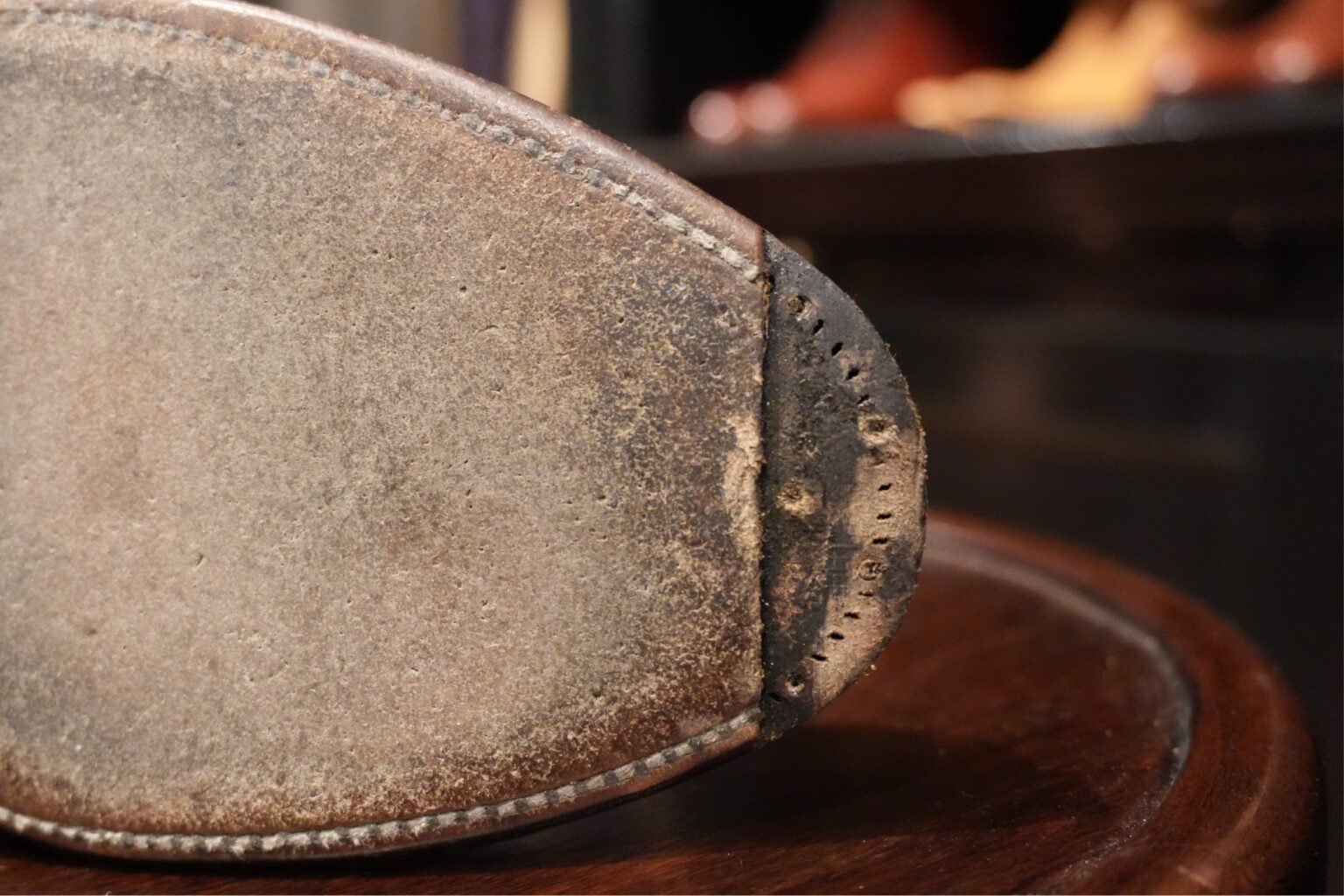
In some cases, it may be possible to reattach the steel, but
This makes it more likely to come loose when the screw is driven into the same position again
Furthermore, by the time the initial wear on the steel begins to show, the sole often has good rebound, so
For shoes requiring a second repair, or those where the toes have become worn down after being worn for the first time whilst still fitted with leather soles, we recommend repairs using leather or rubber.
Next up: half-rubber
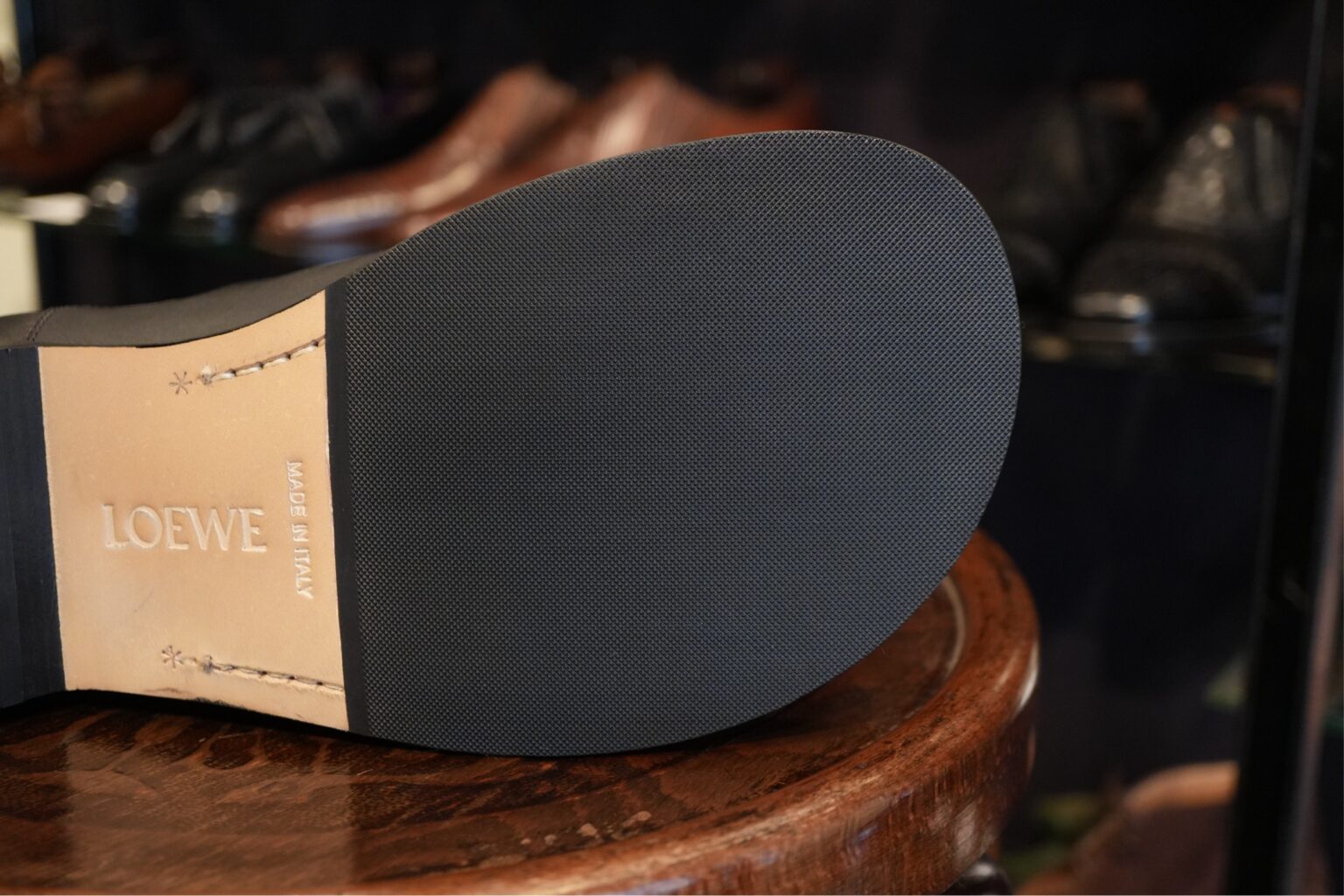
Unlike previous toe repairs, this serves to cover and reinforce the front of the sole.
If you wish to avoid a full sole replacement, or in the case of shoes where the sole cannot be replaced, etc.
This repair is recommended if you wish to preserve the original sole for as long as possible whilst also ensuring it remains slip-resistant.
It can be fitted not only when the tyre is brand new, but also after it has been run in, and
The half-rubber can also be replaced when it has worn down.
Once you’ve applied it, you can manage for a while by replacing it as and when necessary.
For women’s shoes with thin soles that are difficult to replace,
I get the impression that many people fit this half-rubber at an early stage.
Furthermore, common issues that often arise after installation include
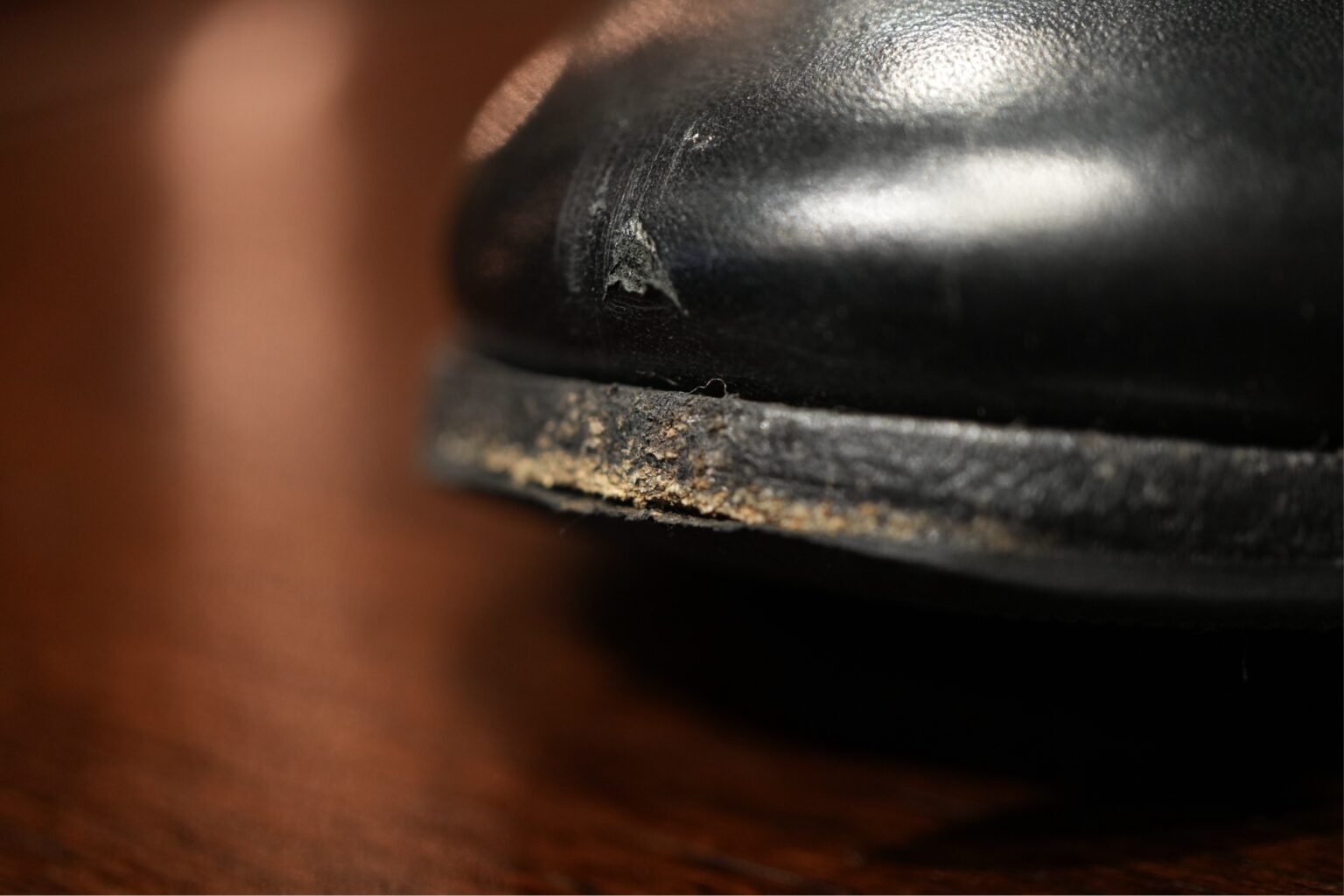
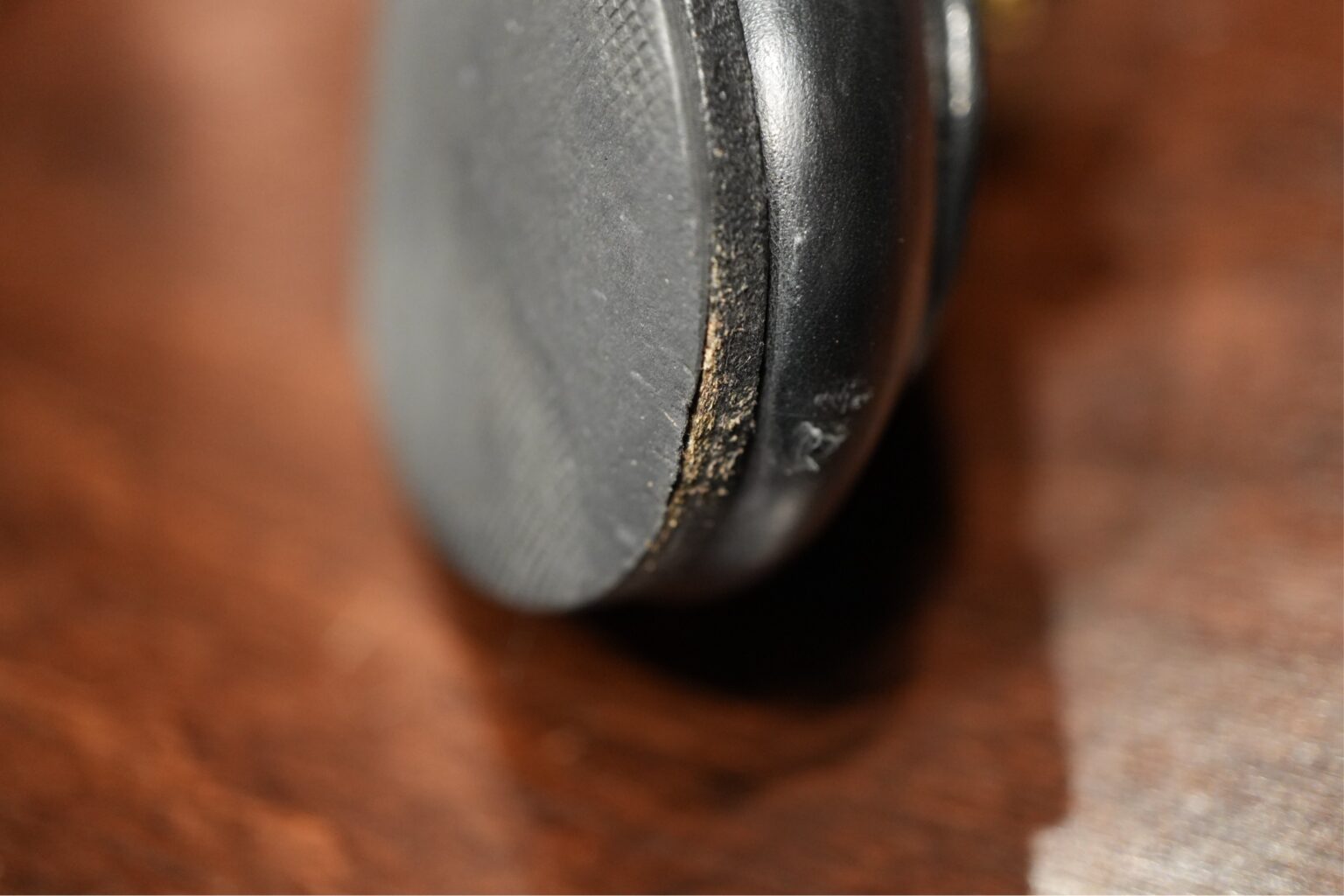
There are times when the tip of the half-rubber rolls back slightly.
As this is an area where stress tends to concentrate during the push-off phase, this is a common problem.
In this case, there is no need to reapply it.
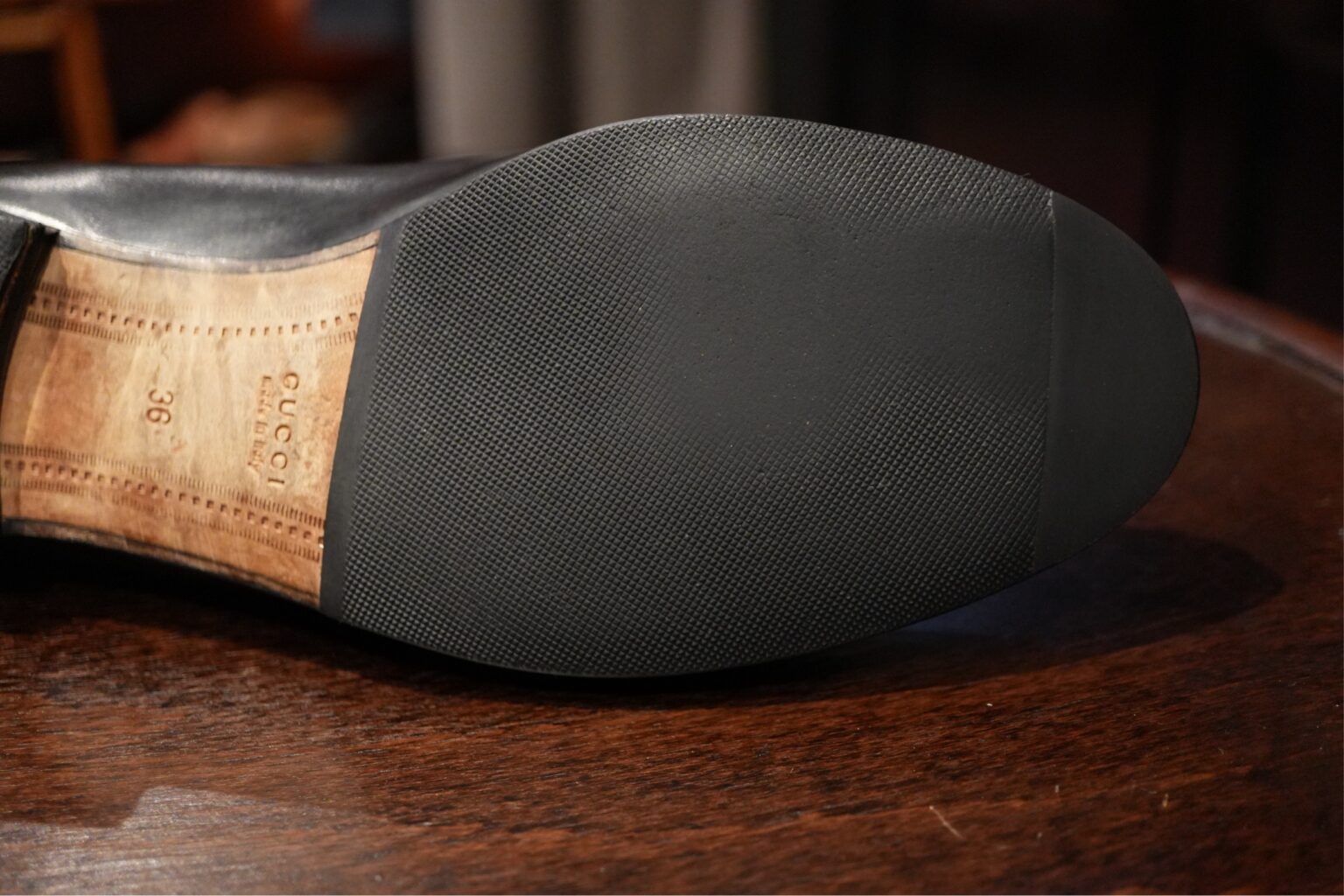
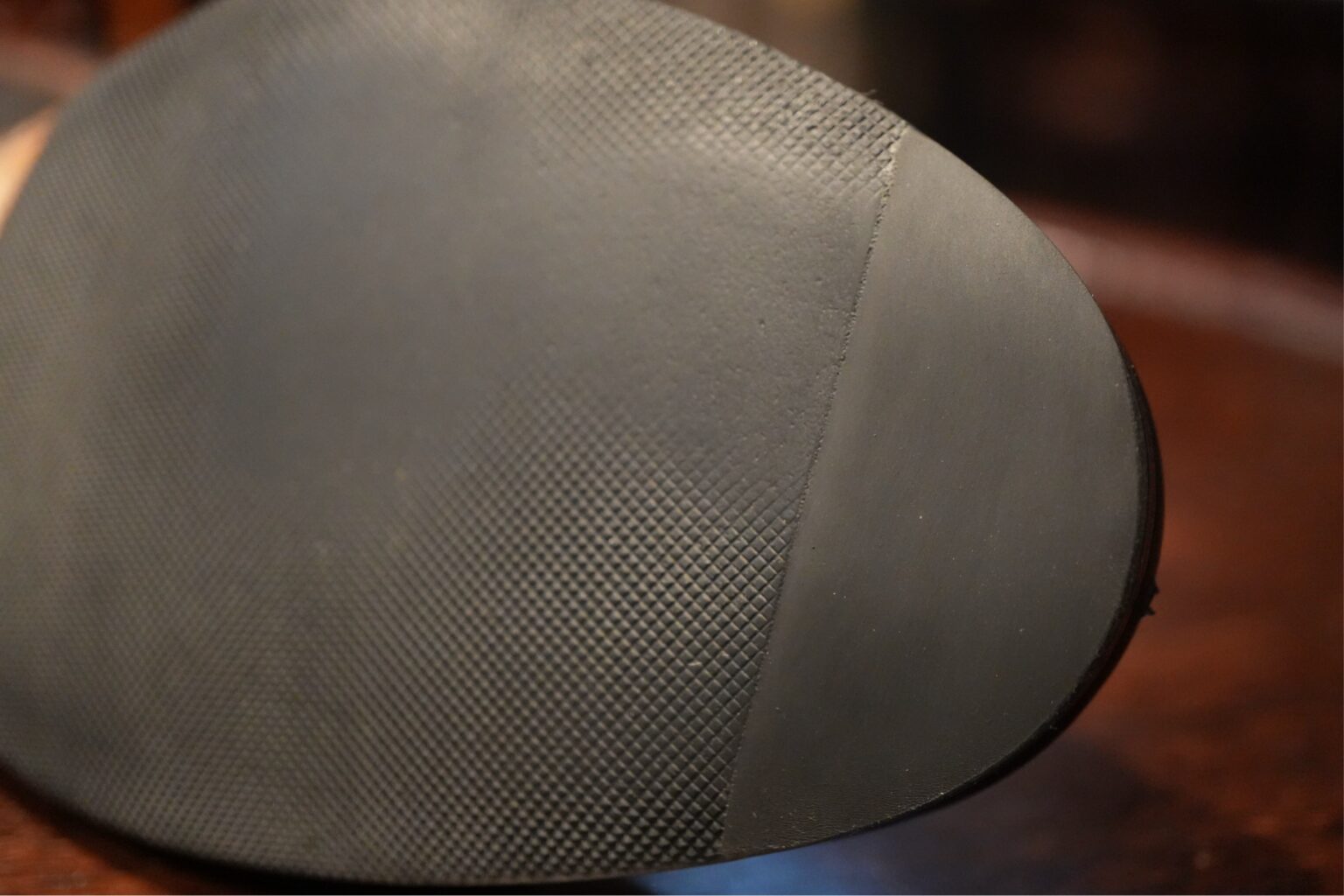
It is possible to repair the shoe by applying TOE rubber to the toe area only.
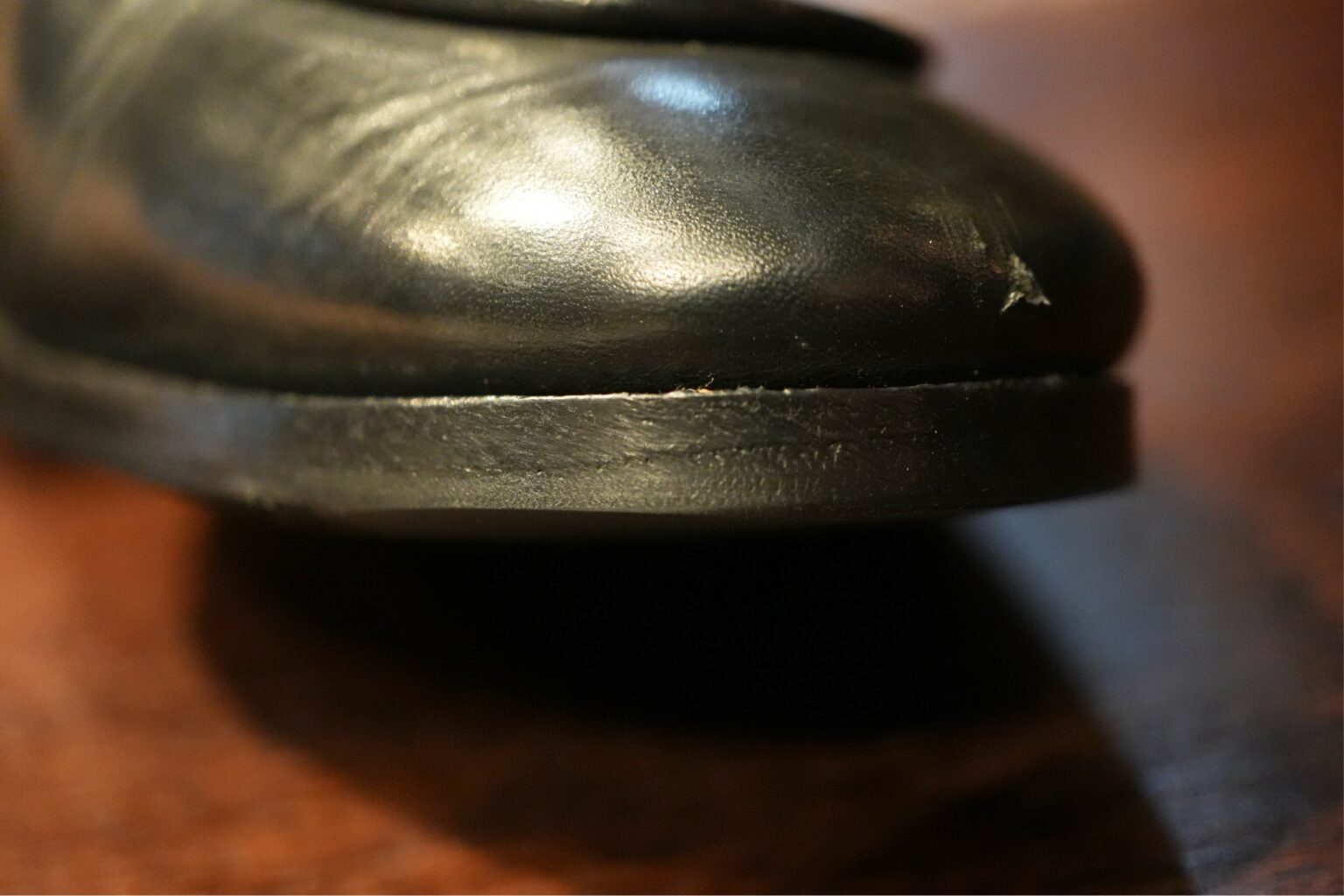
As the TOE rubber is thicker than the original half-rubber, it is less likely to peel, so you can wear them with considerable peace of mind thereafter.
Half-rubber
→ When the tip is worn down, replace the TOE rubber
→ If the court starts to show signs of wear and tear overall, have the half-rubber surface re-laid
This is often how things tend to go.
Furthermore, as a precautionary measure,
Half-rubber + vintage steel
We can also carry out repairs that involve combining different parts, and in recent years there has been a significant increase in requests for this type of work.
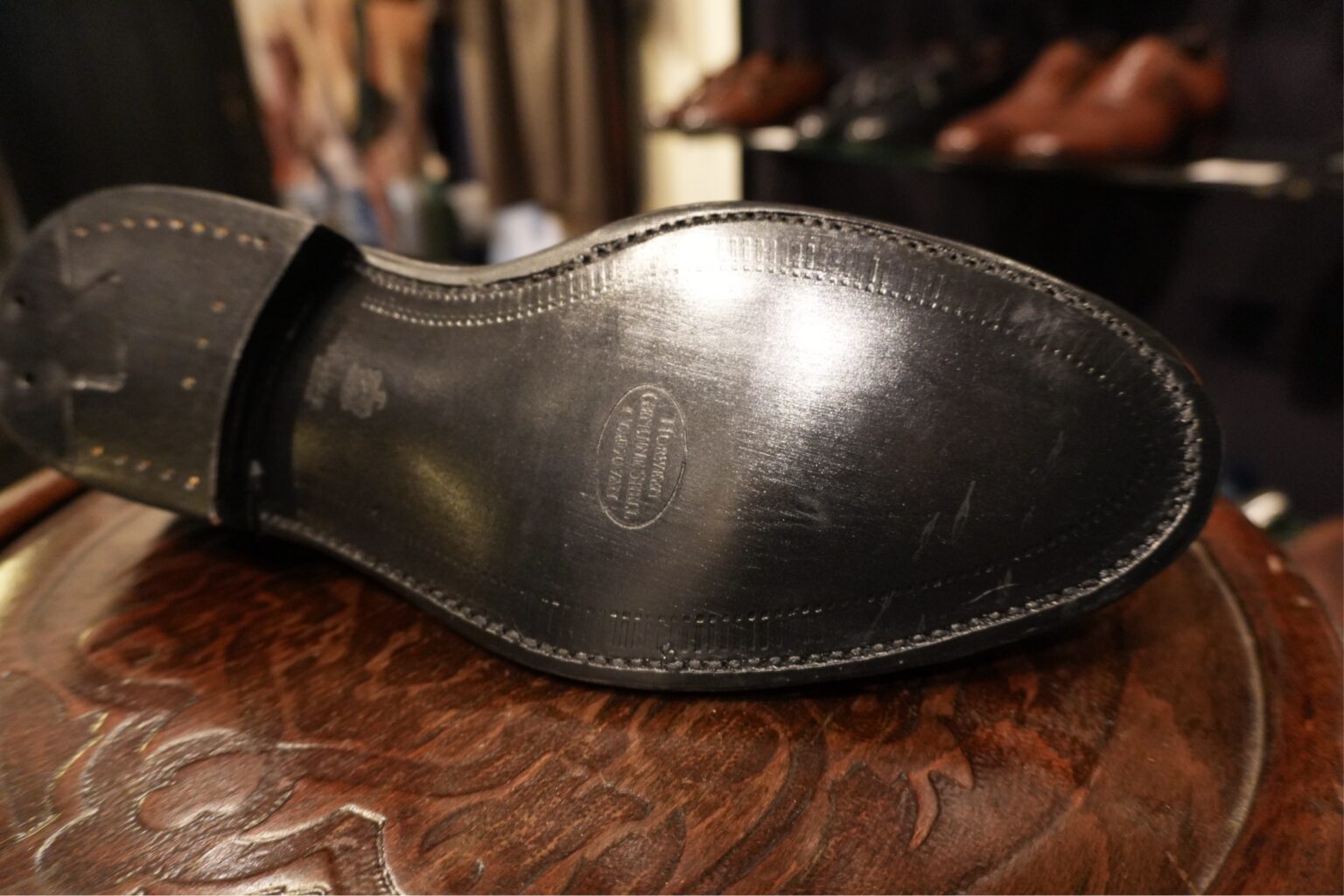
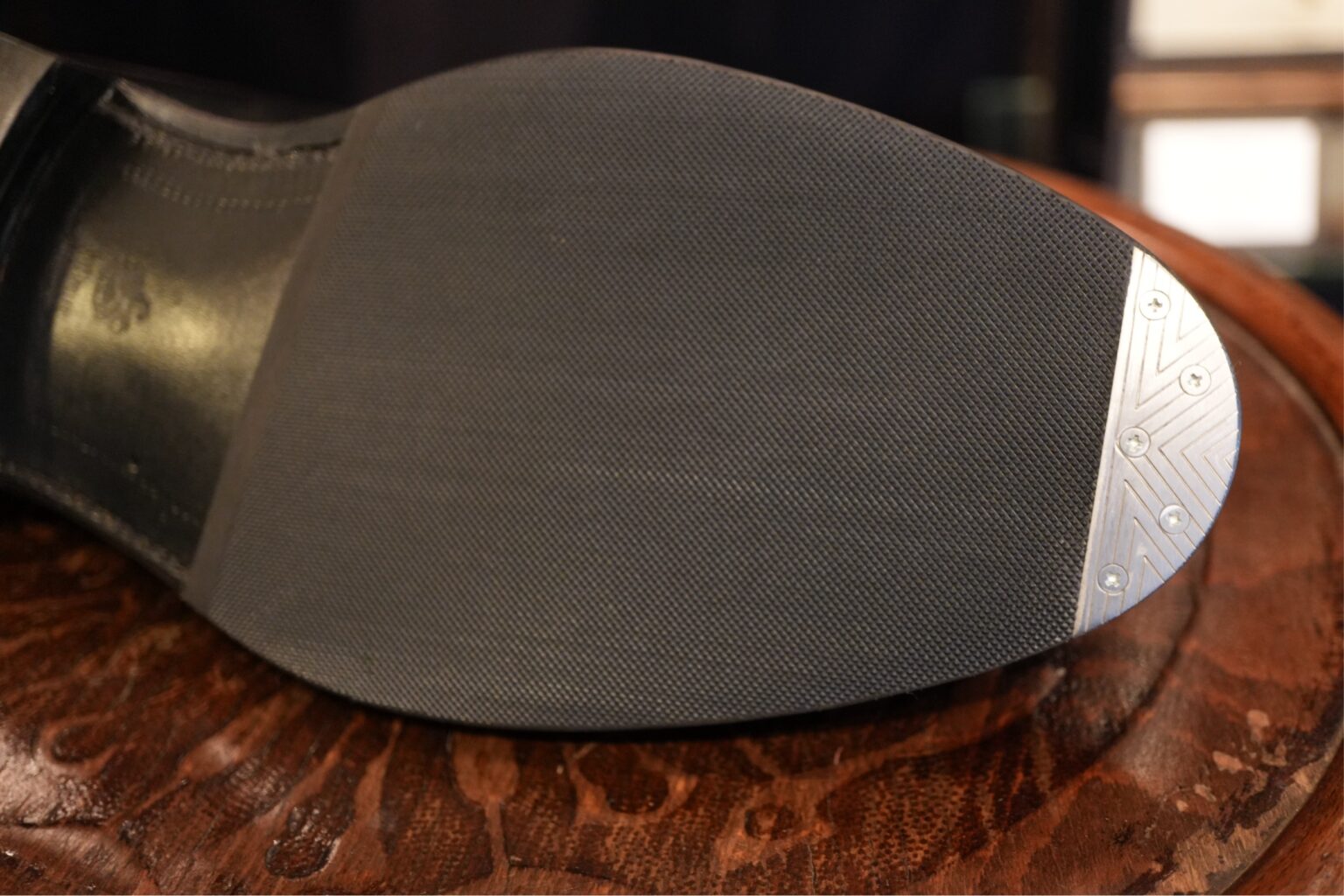
With rubber on the contact surface and steel protecting the tip,
It is, so to speak, a method of reinforcement that ‘takes the best of both worlds’.
However, as the Vintage Steel is more likely to come loose if the sole is too worn, we generally recommend having it fitted when the shoes are brand new.
Of course, even with this combination, should the steel be worn down,You can leave the half-rubber in place and reinforce just the toe area with TOE rubber.
*Please note that it is not possible to replace the half-rubber whilst retaining the vintage steel.
That concludes the repairs to the leather sole.
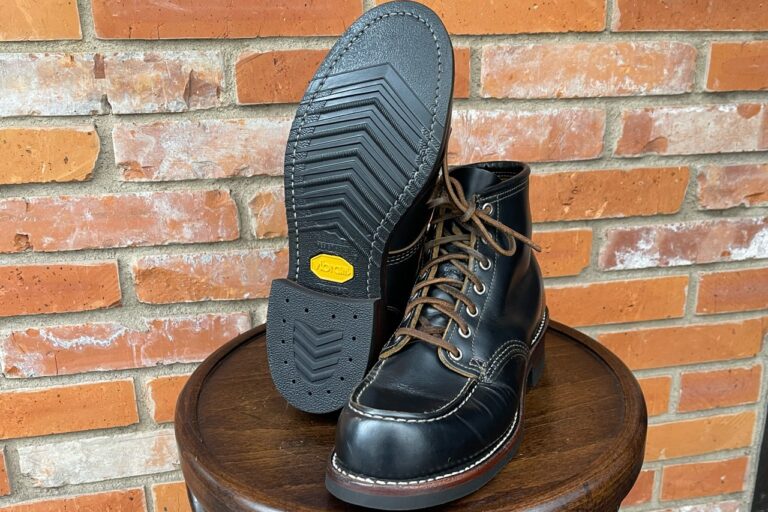
So what about rubber soles?
If I can’t attach the steel, what should I do?
We receive a lot of enquiries about this.
To cut to the chase,
When they’re brand new, you just wear them as they are.
Due to the nature of the material, it is not possible to apply a half-rubber cover on top or to fit vintage steel parts, but
As they are more durable than leather soles, you can wear them without a care for a while.
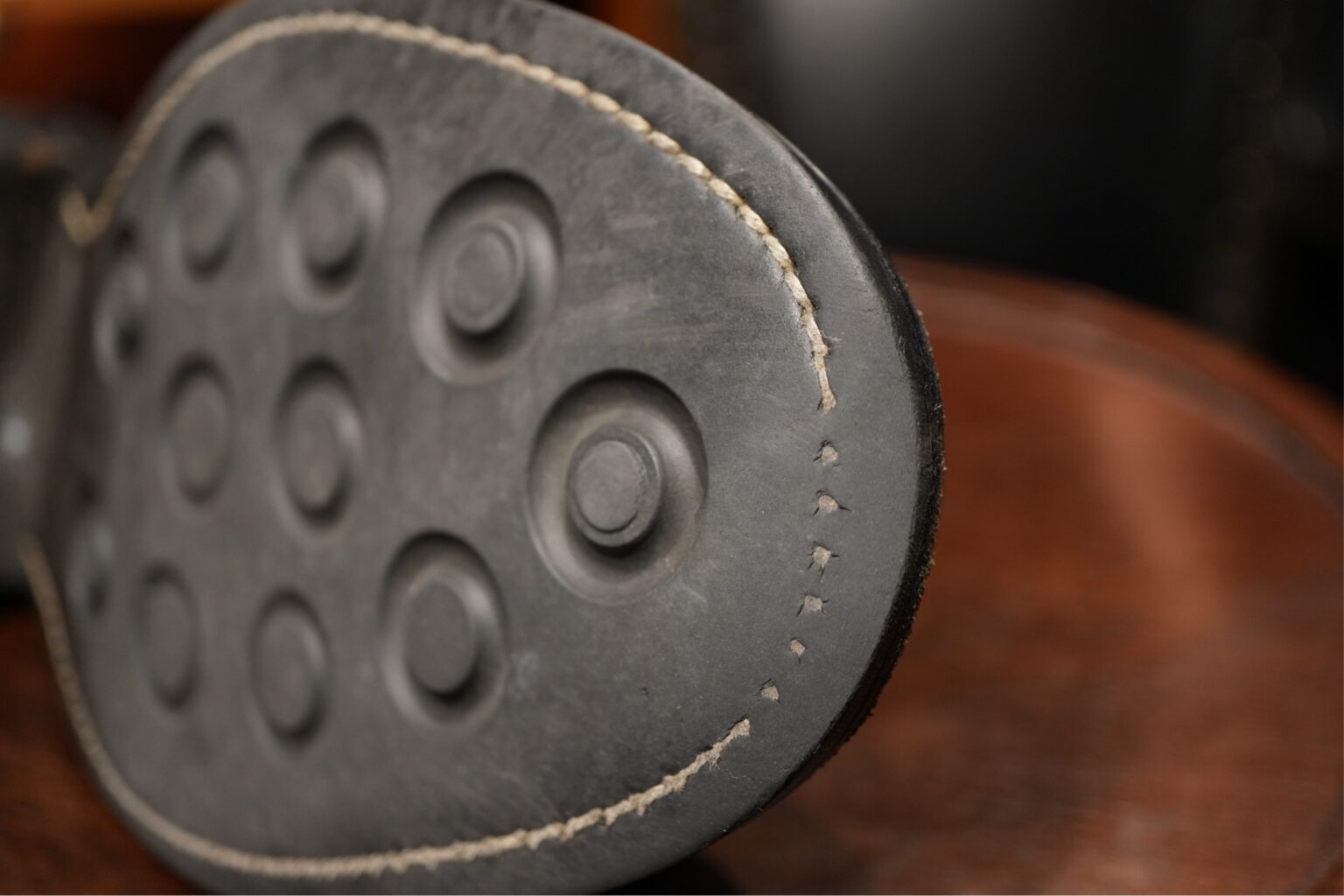
After that, the first thing you tend to notice is wear on the tips of your nails, but…
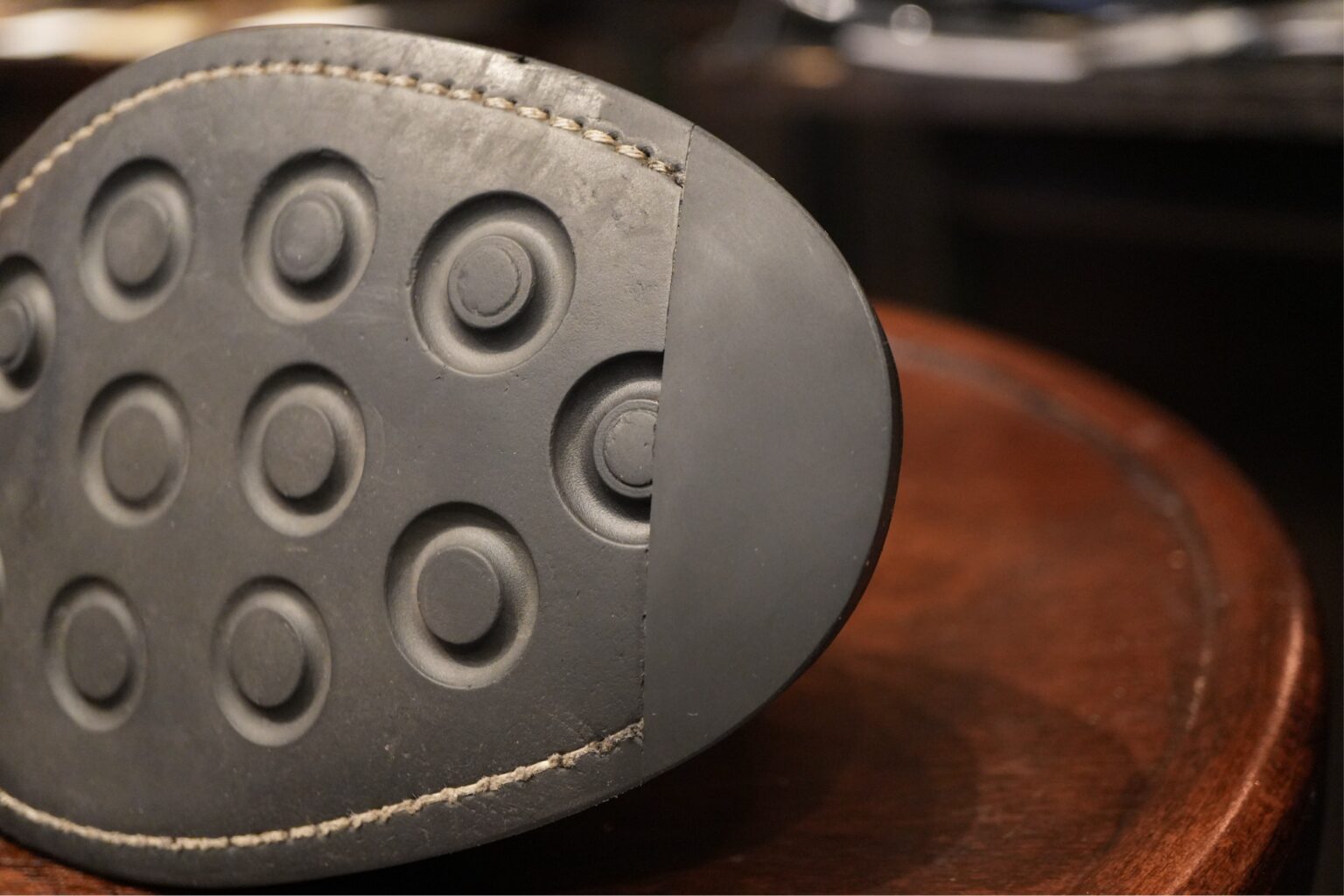
Here, too, the TOE rubber makes an appearance.
The worn tip can be extended using rubber.
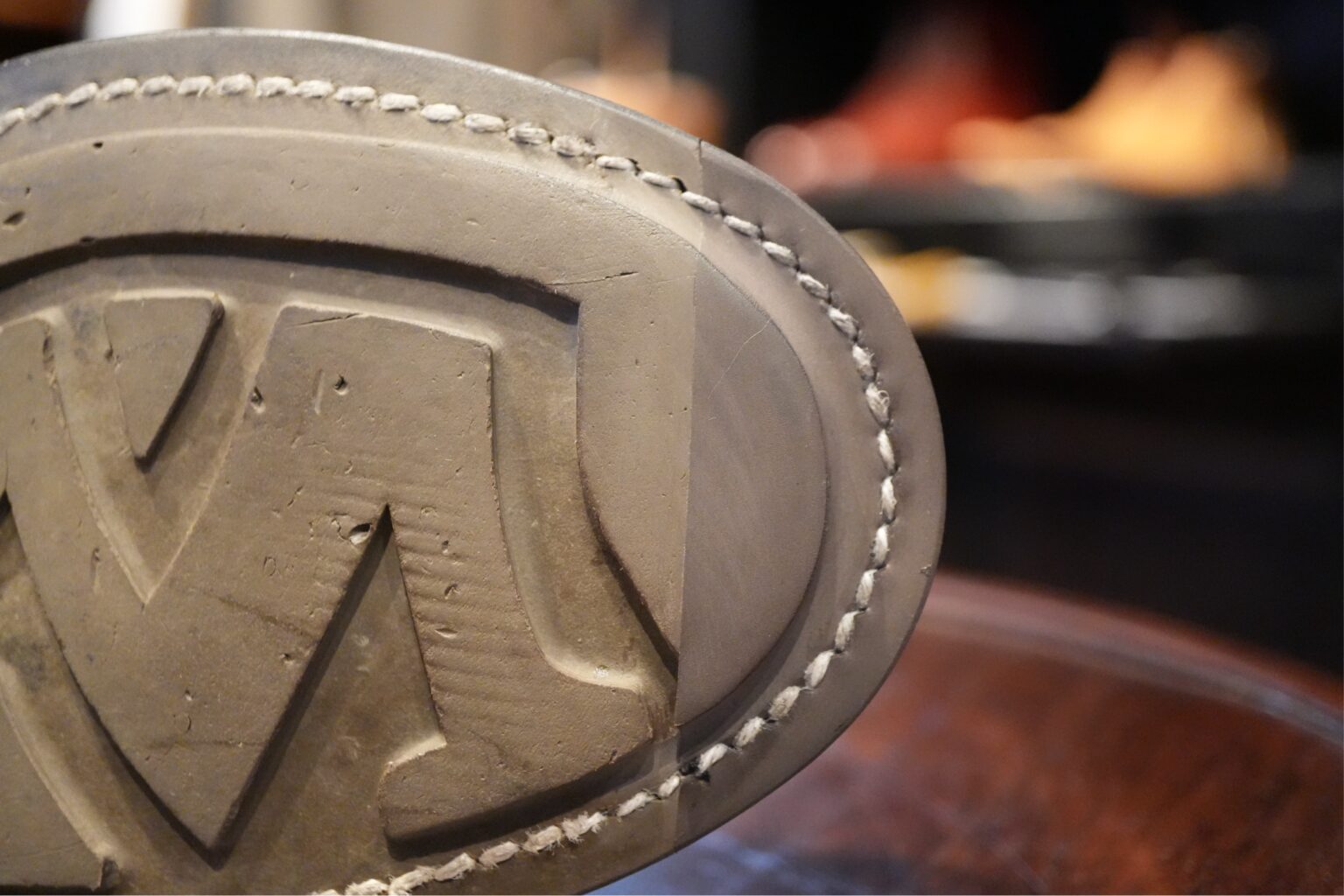
Incidentally, this is an example of a JM Weston rubber sole fitted with a rubber toe cap, but,
These soles, including the Ridgeway sole, can be finished to suit their specific shape.
In the example shown in the photograph, the stitching on the outsole had also come undone, so
We are also re-stitching just the tip.
Repeatedly applying the rubber toe caps
When the sole as a whole has reached the end of its useful life, have it fully resole.
Compared to leather soles, the repair options are limited, but,This also means that it is highly durable.
What do you think?
Repair cases really do vary from one pair of shoes to another.
Did any of these points apply to the condition of your shoes?
I hope you find this useful.
Shinjuku Branch / Ginza Branch
Tomono